
Key Takeaways
- Mature oak canopies trap humidity and block sunlight, preventing shingles and decking from drying, which directly leads to wood rot.
- Trapped leaf debris in valleys and gutters backs up water under the shingle starter course, rotting the fascia and soffit.
- Catching canopy-related moisture early with targeted repairs prevents costly structural replacement of your home's roof deck.
Need Roof Repair in Homewood?
If you're looking for help in Homewood, visit our dedicated roof repair page for local service details, project examples, and the next steps for your home.
The Hidden Threat of Oak Canopies in Jefferson County
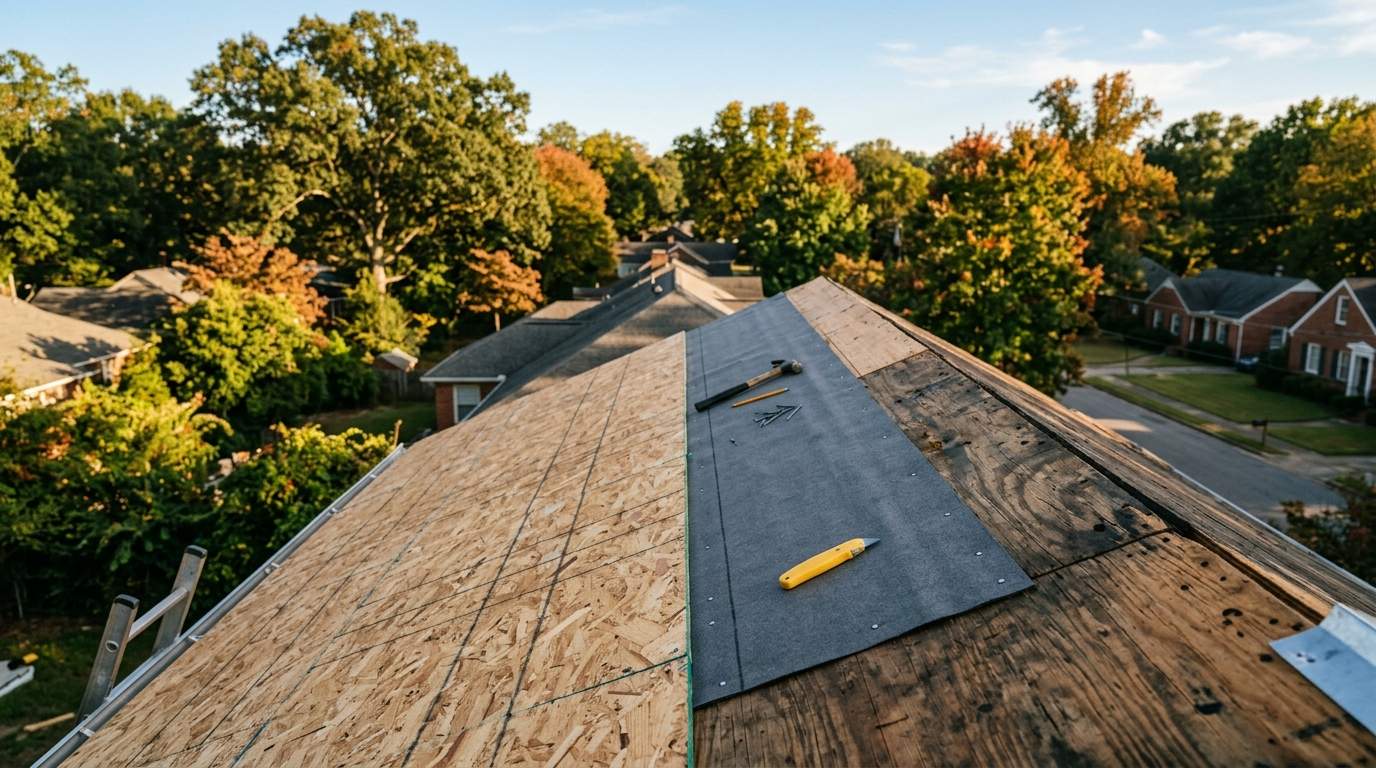
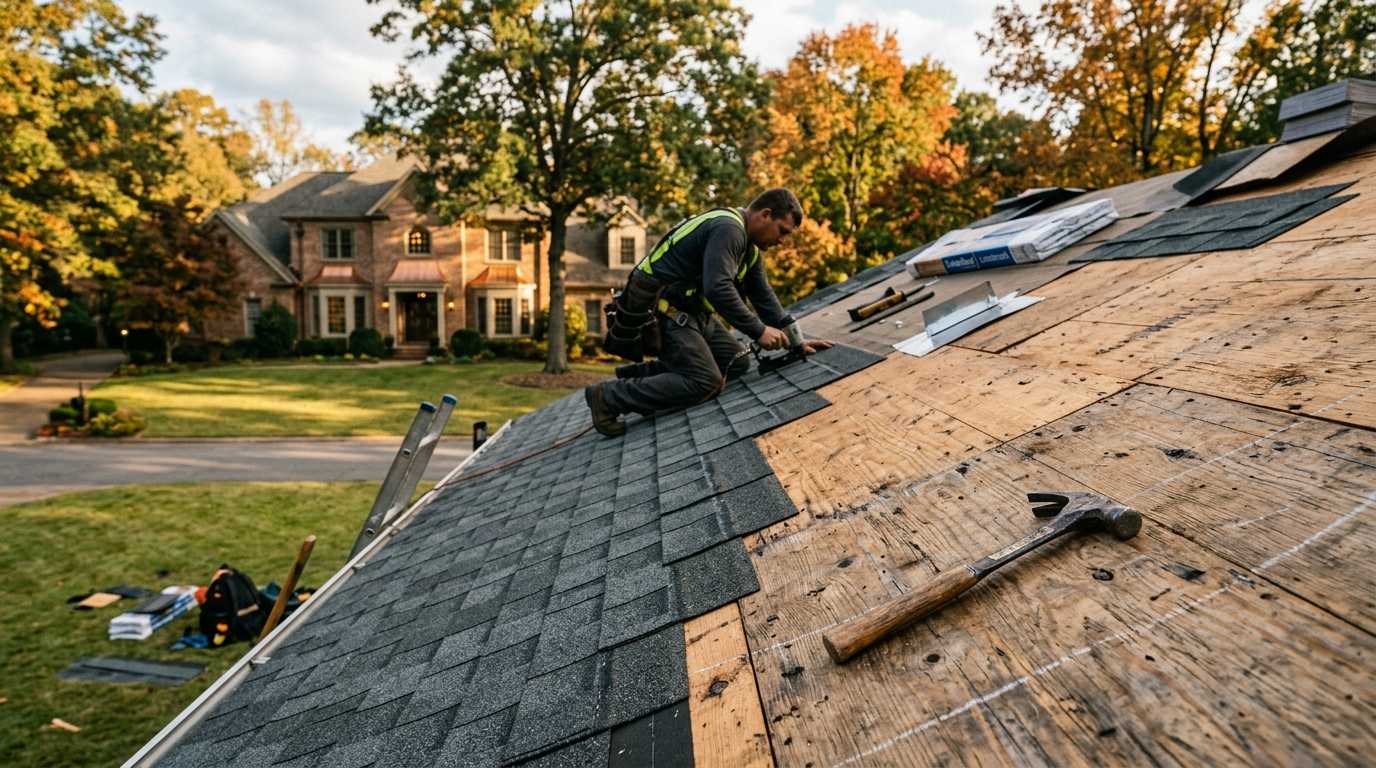
A homeowner notices a soft spot near the eaves while cleaning gutters in early fall, or spots a faint water stain on the ceiling after a steady rain. They usually buy a tube of roofing cement, climb up, and smear it over the shingles near the drip line. When our crew cuts away those shingles during a routine inspection, we find the underlying plywood decking has softened to the consistency of wet cardboard. This decay spreads silently because the dense tree canopy keeps the roof in perpetual shade, preventing the wood from ever drying out completely. This pattern of hidden rot affects many historic properties across our local neighborhoods. Understanding how mature trees interact with your roofing materials is the first step in stopping this structural damage before it requires a full replacement.
Many homeowners in older neighborhoods love the mature oak trees that define our local streets. However, these massive canopies create a microclimate of high humidity and continuous shade. When damp leaves pile up on your shingles, they act like a wet sponge, holding water against the roof surface long after a storm passes. Scheduling a timely residential roof repair in Homewood stops this moisture from penetrating deep into your home's structural framing.
How Shade and Moisture Accelerate Roof Decay
Sunless environments on a roof surface allow fungal spores to feed on the organic components of wood decking and organic-mat shingles. Without daily exposure to direct sunlight, morning dew and rainwater linger on your shingles for days instead of hours. This constant dampness softens the asphalt layer and eventually penetrates the underlayment, reaching the plywood or tongue-and-groove decking beneath.
In historic districts like Hollywood and Edgewood, the shade is so dense that some roofs never dry out during the humid summer months. We often see this accelerated decay during our comprehensive roof inspection services. This environment also fosters biological growth, which we covered in our guide on how tree cover promotes roof algae in Homewood, AL. Over time, these organisms eat away at the limestone filler in modern shingles, stripping them of their protective granules.
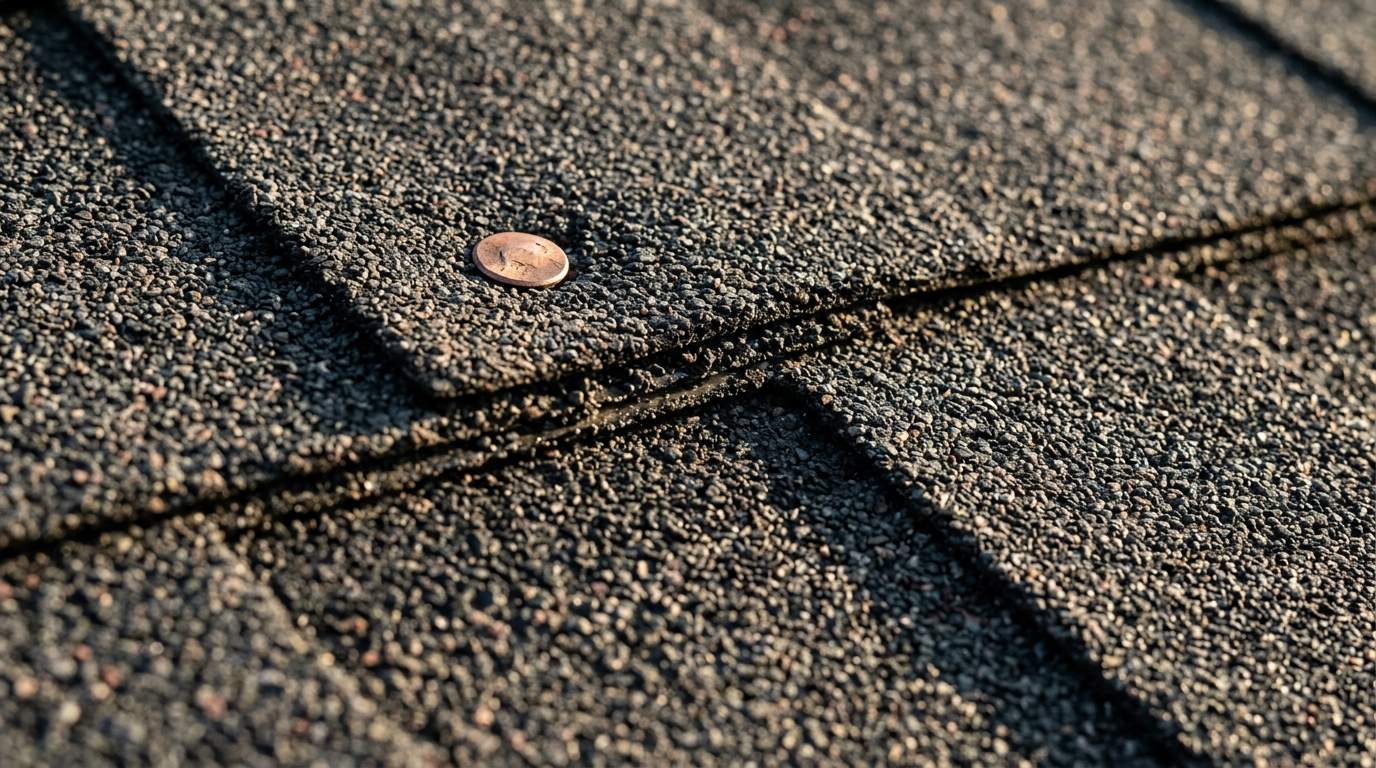
Once the shingles lose their granules, they become brittle and crack. Water then seeps directly into the roof deck. If you ignore this cycle, a minor drip will eventually turn into a major structural problem that requires a full roof replacement rather than a simple patch.
The Role of Leaf Debris in Clogging Gutters and Valleys
Falling leaves, twigs, and oak tassels collect in roof valleys and gutters, creating physical dams that force water to flow backward under the shingles. When water cannot drain freely down the valleys, it pools along the metal flashing and leaks through the nail holes. This backward water migration is one of the leading causes of rotted fascia boards and soffits along shaded rooflines.
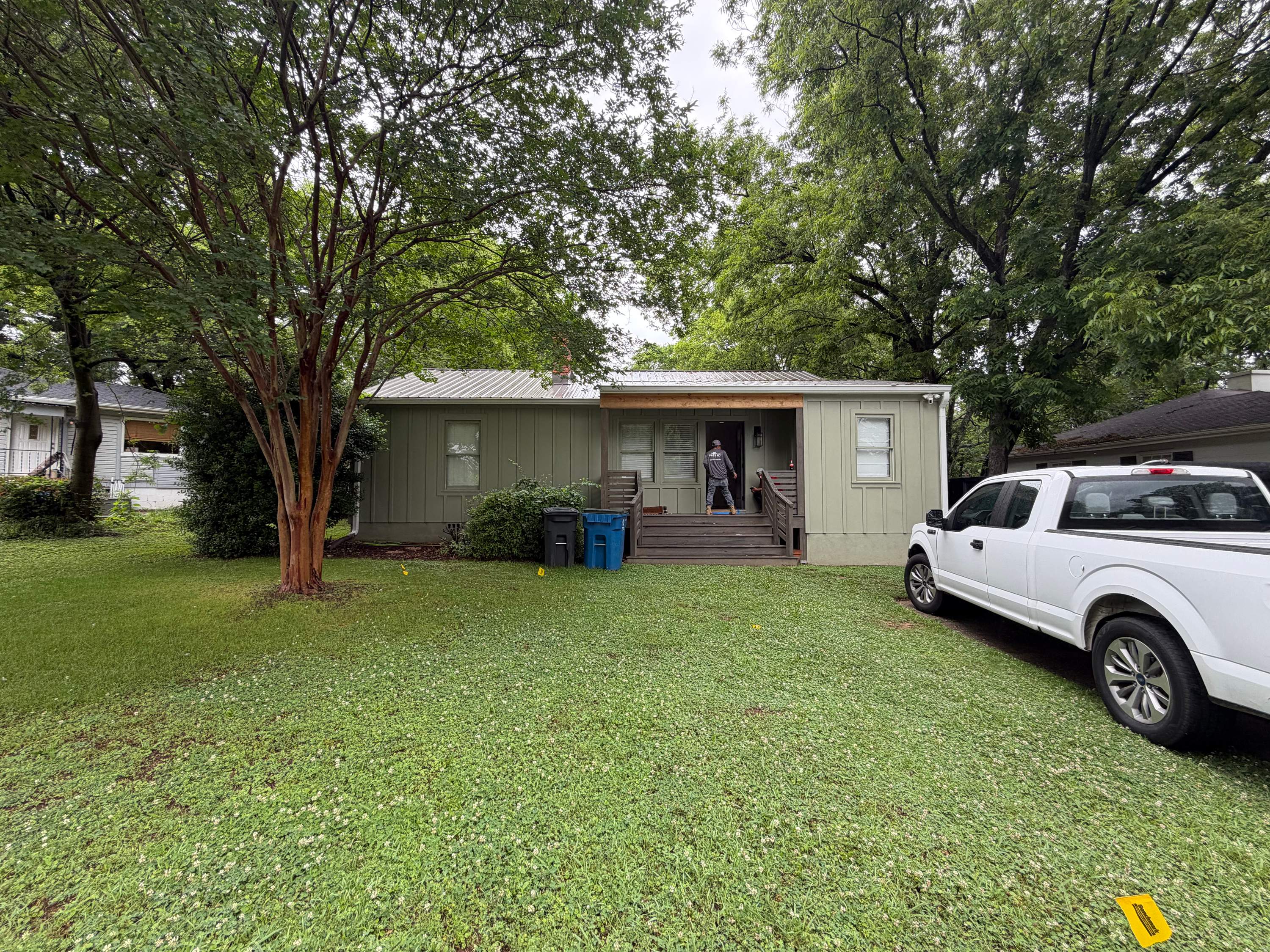
On a recent West Homewood home remodel, new gutters went on with the roofing so runoff clears the roofline instead of sitting against the fascia. To keep gutters like those flowing, we highly recommend installing premium gutter guards like LeafBlaster Pro micro-mesh guards. These stainless steel guards block oak leaves and pine needles from entering your gutters while allowing heavy rainfall to flow smoothly away from your home.
If your gutters are already pulling away from the fascia due to the weight of wet debris, you may need a professional gutter repair to restore proper drainage. Keeping your gutters clear and functional is your first line of defense against the pooling water that causes edge-of-roof rot.
Comparing Shingle Damage and Structural Wood Rot
Differentiating between superficial shingle wear and structural wood rot requires assessing whether the underlying decking has lost its physical rigidity. While damaged shingles can often be swapped out during a minor repair, spongy or sagging wood decking demands immediate structural replacement to keep the entire roof safe.
| Repair Scale | Typical Cost Range | Primary Focus | Lifespan Added |
|---|---|---|---|
| Minor Repair | $150 – $500 | Replacing a few shingles or sealing a small leak | 3 – 10 years |
| Standard Repair | $450 – $1,500 | Fixing valley flashing, boot collars, or moderate leaks | 5 – 15 years |
| Major Repair | $1,500 – $5,000+ | Replacing rotted decking, structural rafters, or large areas | 25 – 50 years (if replaced) |
Most homeowners pay within these ranges depending on the accessibility of their roof and the extent of the water damage. We broke down these financial expectations further in our article on the costs of roof repair in Homewood, AL. Catching the damage while it still fits into the minor or standard category is the best way to save thousands of dollars.
Warning Signs of Tree-Induced Roof Rot in Homewood Homes
Homeowners can identify early roof rot by looking for physical changes along the roofline, such as sagging eaves, curling shingle edges, and dark, persistent water stains on exterior siding. Regularly inspecting these vulnerable areas from the ground or driveway helps you catch moisture intrusion before it compromises your home's structural integrity.
- Spongy or sagging spots: Areas of the roof that visibly dip or feel soft when walked on during an inspection.
- Dark, damp stains: Persistent discoloration on the underside of your roof decking visible from inside the attic.
- Curling or buckling shingles: Shingles that lift at the edges because of high humidity trapped in the wood beneath them.
- Decaying fascia and soffits: Soft, crumbling, or peeling wood along the roof’s edge where gutters are mounted.
- Granule loss in valleys: Heavy accumulation of shingle granules in your gutters, which indicates accelerated shingle wear from debris friction.
Expert Field Note from Justin Johnson: On older homes with heavy oak cover in Homewood, the valley flashing is usually the first area to fail. Leaves pile up in the valley, trapping moisture against the metal until the fasteners rust out, allowing water to slip directly onto the bare wood deck beneath.
If you notice any of these warning signs, scheduling a targeted repair immediately can halt the decay. Ignoring these signs allows the rot to spread from your decking to your structural rafters, significantly increasing the ultimate cost of remediation.
Frequently Asked Questions
How does tree shade cause my roof to rot?
Tree shade blocks the sun's ultraviolet rays and heat, which are necessary to dry out morning dew and rainwater. When moisture remains trapped on your shingles for extended periods, it seeps into the underlying wood decking, creating the perfect environment for wood-decaying fungi to grow.
Can I just trim my trees to protect my roof?
Yes, trimming branches so they are at least six to eight feet away from your roofline is highly effective. This increases sunlight exposure, improves airflow, and reduces the volume of leaves and organic debris that land on your shingles and gutters.
How much does it cost to repair roof rot in Homewood?
Standard repairs for localized wood rot typically cost between $450 and $1,500, while major structural repairs involving extensive decking and rafter replacement can run from $1,500 to over $5,000. The total cost depends heavily on how early the moisture intrusion is detected.
Do gutter guards prevent roof rot?
Yes, high-quality gutter guards prevent leaves and pine needles from clogging your gutter system. This ensures that rainwater flows off your roof and away from your fascia boards, preventing the water backups that cause edge rot.
Protecting Your Homewood Roof from Canopy Damage
Protecting your home from canopy-induced decay requires a proactive combination of regular tree maintenance, gutter cleaning, and professional roof inspections. By keeping branches trimmed back and ensuring water can drain freely off your roof, you can enjoy the shade of Homewood's beautiful trees without sacrificing your home's structural integrity.
How long has it been since someone climbed up to check the wood decking beneath those shaded valleys on your roof? Schedule a professional inspection today to verify that your home's first line of defense remains completely dry and structurally sound.
Ready to stop researching and get real answers?
If this article helped you spot a roofing, siding, or gutter issue, the next step is simple. Get honest guidance, a professional inspection, and a clear plan from the Patriot Roofing team.
Justin Johnson
Owner / Licensed Home Builder
Justin is the Co-Owner of Patriot Roofing & Builders and a Licensed Alabama Home Builder. With extensive experience in high-performance exterior systems and storm restoration, he brings a hands-on, technical perspective to every project across the Greater Birmingham area.
More About UsRoof Repair in Homewood
You Might Also Like
Avoid Hidden Roof Repair Fees in Vestavia Hills, AL