Key Takeaways
- Emergency roof tarping halts active water intrusion during heavy storms, while a permanent roof patch restores damaged shingles, underlayment, and flashing once the deck dries.
- Nailing a tarp directly through intact architectural shingles creates new leak points; professional crews wrap wooden battens and anchor over the ridge instead.
- Minor roof repairs in the Birmingham metro typically range from $150 to $500, standard flashing or valley repairs run $450 to $1,500, and major structural deck repairs cost $1,500 to $5,000+.
Need Roof Repair in Homewood?
If you're looking for help in Homewood, visit our dedicated roof repair page for local service details, project examples, and the next steps for your home.
Stopping Active Roof Leaks Across Jefferson County
Choosing between a temporary tarp and a permanent shingle patch depends on whether rain is actively falling and whether your roof decking is dry enough to hold adhesives. When rainwater starts dripping through a plaster ceiling in an older cottage or a brick traditional home, your immediate priority is protecting the interior finishes and structural framing. Many homeowners assume a quick smear of roofing cement or a hardware-store tarp will solve the problem, yet choosing the wrong approach can trap moisture inside the attic or ruin surrounding materials.
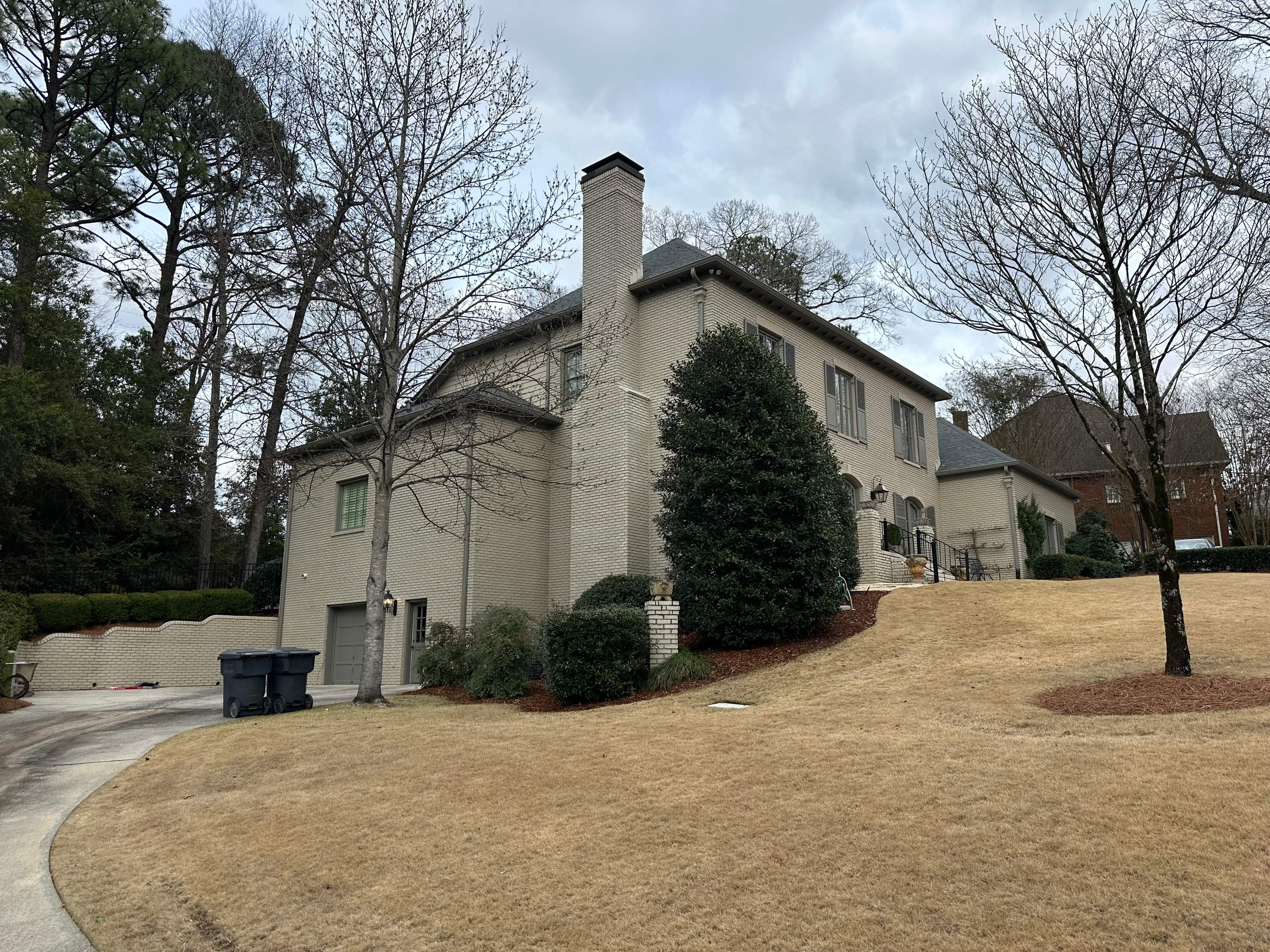
Mature oak canopies drop heavy leaves across pitched roofs every mid-fall, holding dampness against valleys and aging chimney metal. When a sudden storm pushes water past those compromised barriers, our crews provide rapid residential roof repair in Homewood to stabilize the structure and execute a permanent fix. Below, we break down the practical differences between emergency tarping and surgical patching so you can make the right call for your property.
Five Realities Contractors Rarely Explain About Tarps vs. Patches
Homeowners facing an active ceiling drip need clear, direct criteria to decide whether a roof requires a temporary cover or an immediate mechanical repair. Most roofing companies throw a plastic sheet over the slope or smear mastic around a pipe boot without explaining how that choice affects your underlying wood deck or future insurance claim.
- Wet decking rejects permanent adhesives: Asphalt shingle sealants and underlayment tapes require a bone-dry surface to bond properly. Attempting a permanent patch while the wood is damp traps water inside the assembly and can cause the repair to lift during the next strong gust.
- Improper tarp nailing destroys good shingles: Driving cap nails straight through the field of undamaged GAF architectural shingles creates permanent holes outside the original leak zone. A proper emergency cover uses wooden furring strips rolled into the tarp edges, anchored over the ridge or tucked beneath a lifted shingle course so wind cannot tear it loose.
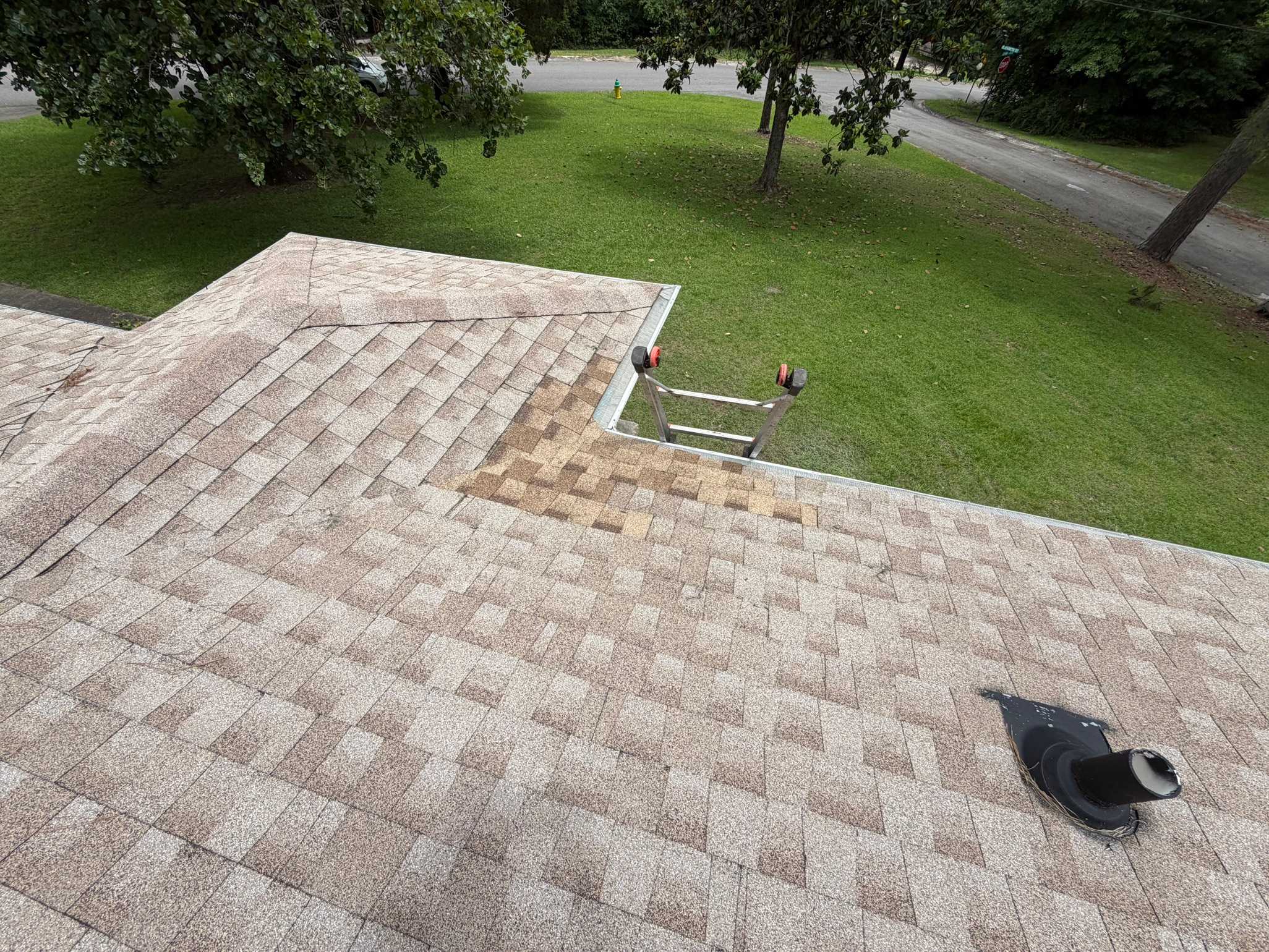
- Roofing cement is not a patch: Spreading black plastic cement over rusted flashing or cracked shingle tabs is a temporary band-aid that bakes, shrinks, and cracks under Alabama heat. A true patch requires removing the damaged courses, inspecting the wood sheathing, installing fresh ice-and-water barrier, and weaving in new matching shingles.
- Trapped humidity breeds rapid wood rot: Leaving a heavy woven tarp strapped tightly against a shaded roof for months prevents the attic and sheathing from breathing. We covered how canopy shade accelerates structural decay in our guide on how tree cover causes roof rot in Homewood, and an unventilated tarp creates that same greenhouse effect much faster.
- Insurance adjusters need to see the raw damage: Tearing out storm-damaged valleys or wind-creased tabs before documenting the scene can complicate an insurance claim. An emergency tarp preserves the exact state of the storm damage while fulfilling your policy obligation to mitigate further interior water loss.
Comparing Emergency Tarping and Permanent Roof Patching
Comparing emergency tarping against a permanent roof patch comes down to weather conditions, structural dryness, and the scope of the damage. Review the side-by-side breakdown below to see how each method functions on a residential roof.
| Decision Factor | Emergency Roof Tarp | Permanent Roof Patch |
|---|---|---|
| Primary Purpose | Halts active water entry during rain or while awaiting an adjuster | Restores full weatherproofing and shingle integrity for years |
| Weather Requirement | Installed as soon as lightning clears, even on damp surfaces | Requires dry decking and mild temperatures for thermal sealing |
| Materials Used | Heavy-duty woven polyethylene, wooden battens, ridge anchors | GAF architectural shingles, synthetic underlayment, step or apron flashing |
| Expected Lifespan | Temporary protection for several weeks depending on sun and wind | Matches the remaining lifespan of the surrounding roof slope |
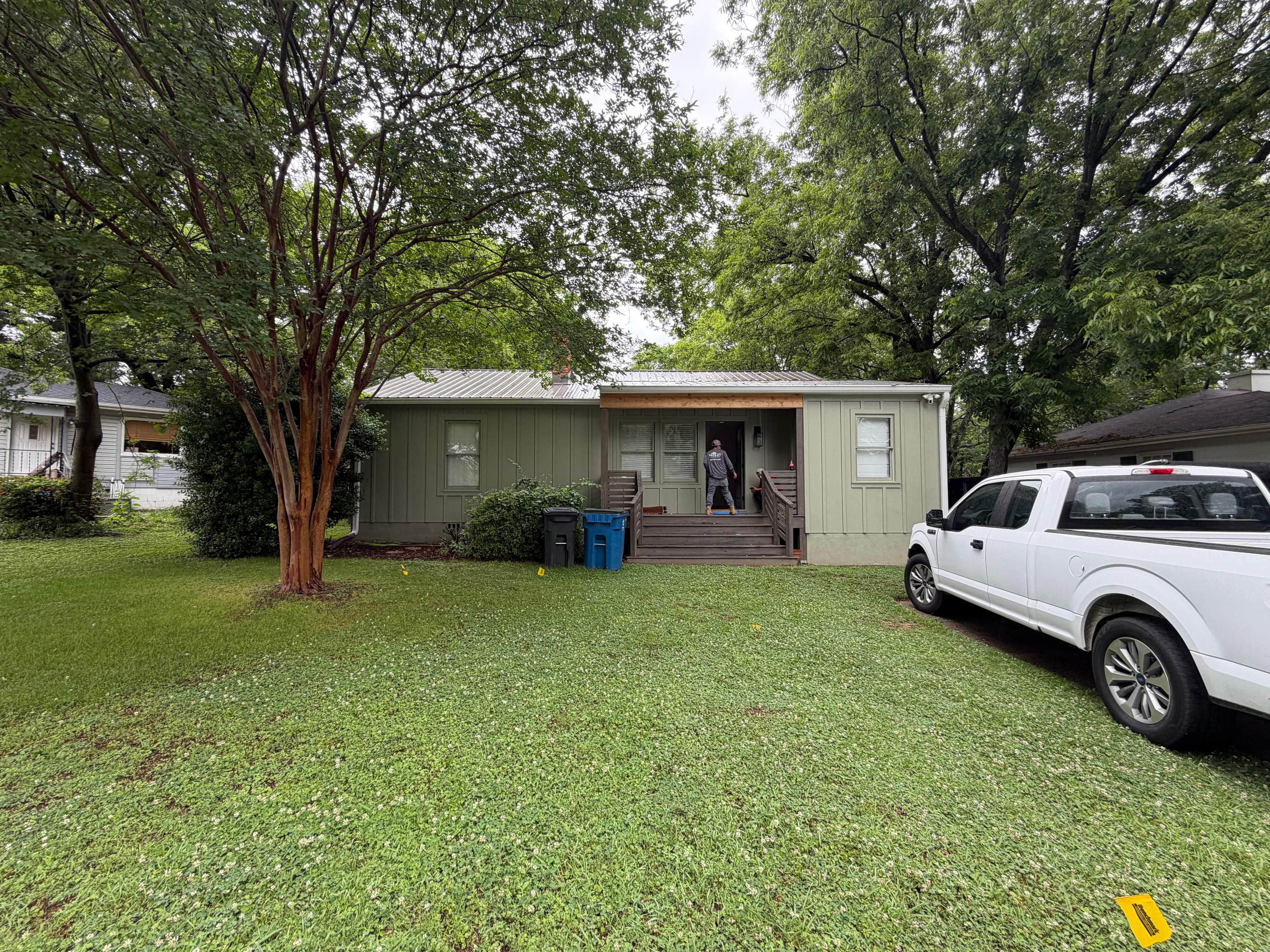
Once the rain stops and the sun dries the slope, transitioning from a temporary cover to a permanent repair protects your home's framing. When homeowners want to overhaul the entire exterior envelope rather than patch isolated areas, we handle comprehensive upgrades like our West Homewood Home Remodel, where our crew paired corrugated metal roofing and clean white gutter installation with a complete board-and-batten siding installation.
When an Emergency Tarp Is the Only Smart Move
Installing an emergency tarp is the right call when rain is still in the forecast, a fallen limb has punctured the wood decking, or an insurance adjuster needs to inspect the property. If a tree branch punches through the roof plane or high winds strip a wide section of shingles, a quick patch is impossible until structural framing and sheathing are rebuilt. Securing the opening with a tensioned, batten-secured tarp stops drywall collapse and hardwood floor buckling inside your living spaces.
Storm-related leaks require careful documentation before any permanent demolition begins. Our storm damage restoration in Homewood includes photographing every creased tab, hail bruise, and punctured valley right before the tarp goes down. That photographic evidence gives your insurance carrier clear proof of the storm event while helping keep your bedrooms and kitchen dry.
Expert Field Note from Justin Johnson: On older homes with original masonry chimneys, the leak almost never comes from the field shingles several feet away. Water slips behind rusted step flashing or cracked mortar joints, runs down the underside of the roof deck, and drips off the first framing nail it hits. Slapping a tarp over the middle of the roof slope without wrapping the chimney base leaves the actual entry point wide open to the next rain.
What a True Permanent Roof Patch Requires
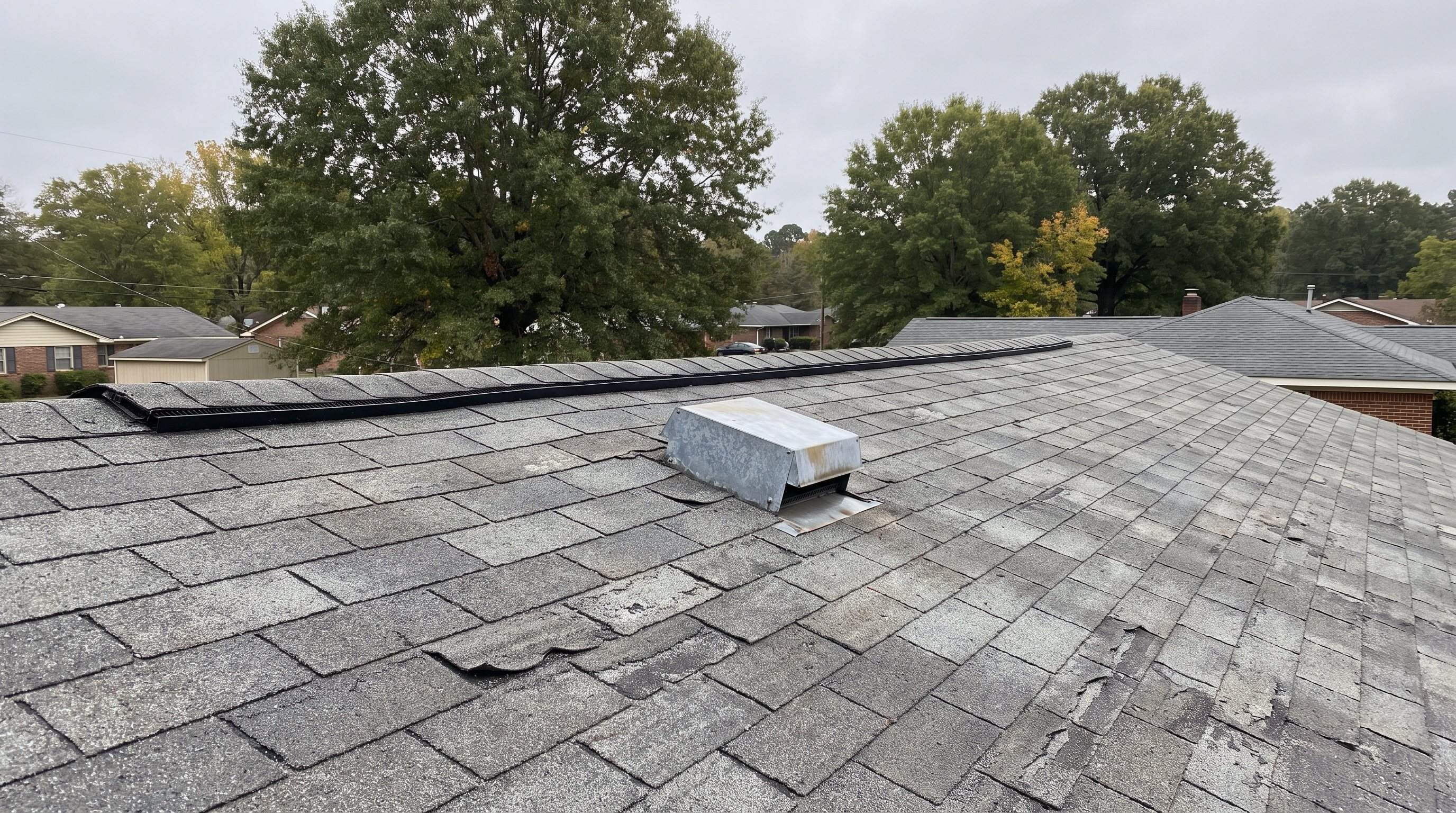
A permanent roof patch requires stripping the damaged area down to bare wood decking, replacing rotted boards, weaving in new underlayment, and installing matching GAF shingles or custom-bent metal flashing. Mid-fall brings ideal shingle installation temperatures across Central Alabama, allowing the factory-applied asphalt sealant strips on new shingles to bond firmly without blistering under extreme summer heat.
Executing a lasting repair involves four non-negotiable mechanical steps:
- Surgical removal: We lift the fasteners two courses above and beside the leak zone so we can slide compromised materials out without tearing the brittle fiberglass mat of neighboring shingles.
- Decking and moisture check: We inspect the exposed plank or plywood sheathing for soft spots and trace hidden moisture paths using infrared leak detection when the entry point is not obvious from the surface.
- Waterproof underlayment and metal flashing: We lay self-adhering ice-and-water shield over valleys and penetrations, then weave in new step flashing or solder-sealed counterflashing around masonry chimneys.
- Shingle weaving and precision fastening: We install matching GAF architectural shingles nailed strictly along the manufacturer's reinforced nail line so wind cannot lift the repaired tabs.
While our technicians are on the roof edge, we also inspect how water exits the valleys into the eaves. Overflowing fall leaves often push rainwater backward under the starter course, so pairing a roof patch with targeted gutter repair in Homewood prevents fascia rot along shaded eaves. If dark streaks are already spreading down your shingles from overhanging oaks, read our breakdown on how tree cover promotes roof algae in Homewood to see how surface growth differs from structural leaks.
Realistic Roof Repair Costs in the Birmingham Metro
Homeowners in the Birmingham metro typically pay between $150 and $500 for minor roof repairs, $450 to $1,500 for standard flashing or valley repairs, and $1,500 to $5,000+ for major structural repairs. Where your project falls within those brackets depends on roof pitch, story height, material type, and whether water has rotted the underlying wood decking.
- Minor Repair ($150 – $500): Covers replacing a few wind-lifted shingles, resealing a leaking plumbing vent boot, or addressing a small, isolated drip.
- Standard Repair ($450 – $1,500): Covers rebuilding rusted chimney flashing, re-lining an open metal valley, or replacing several courses of damaged architectural shingles.
- Major Repair ($1,500 – $5,000+): Covers tearing out and replacing rotted plank or plywood decking, sistering compromised rafters, and restoring a large roof section after tree impact.
For a deeper look at how pitch, access, and material matching affect your quote, check out our guide on the 3 costs of roof repair to expect in Homewood. If a thorough evaluation reveals that your shingles are near the end of their service life and losing granules across every slope, investing in a full residential roof replacement in Homewood is often more cost-effective than paying for repeated patches.
Frequently Asked Questions
How long can a temporary tarp stay on a leaking roof?
A professionally anchored roof tarp typically protects a home for a couple of months depending on ultraviolet exposure and wind speeds. Leaving a tarp in place for an extended season risks tearing along the batten edges and trapping condensation against the wood decking. Schedule your permanent repair as soon as the weather clears and your insurance adjuster completes the inspection.
Can I get same day roof repair when a leak starts?
Often, yes. Our crews can frequently provide same day roof repair and emergency tarping across Jefferson County to stop active water intrusion. If the roof deck is dry and the damage is limited to a pipe boot, flashing joint, or a few missing shingles, our technicians can often complete the permanent repair during that initial visit. During active rainstorms, we secure the slope with a batten-anchored tarp and return on the next dry day to install the permanent materials.
Does homeowner's insurance cover emergency tarping and roof patches?
Many homeowner's insurance policies reimburse the cost of emergency tarping as a mitigation expense, depending on your policy, when a covered peril like wind, hail, or a fallen tree branch damages the roof. Whether the subsequent repair payout covers the full invoice depends on your specific deductible, which may be a flat dollar amount or a percentage of your dwelling coverage, and whether you carry a Replacement Cost Value (RCV) or Actual Cash Value (ACV) policy. Check your policy declarations page and have a licensed roof inspection specialist document the storm damage before altering the roof surface.
Why is water still dripping inside after someone patched my shingles?
Water continues dripping after a surface patch when the contractor only replaced shingles directly above the interior ceiling stain rather than tracing the leak uphill to its real origin. Rainwater frequently enters at a higher chimney saddle, dormer wall, or ridge vent and travels several feet down a rafter before dropping onto the drywall. Pinpointing the true entry point with moisture meters and infrared scanning helps the repair stop the water at the source.
Making the Right Call for Your Roof
Deciding between a tarp and a patch comes down to stopping immediate interior damage today without compromising your roof's structure tomorrow. Whether you are dealing with an active drip during a downpour or a stubborn watermark around an older brick chimney, our licensed homebuilder crews trace the water to its exact entry point and fix it right. When you are ready for an honest evaluation of your roofline, reach out to schedule a thorough roof inspection in Homewood at your convenience.
Ready to stop researching and get real answers?
If this article helped you spot a roofing, siding, or gutter issue, the next step is simple. Get honest guidance, a professional inspection, and a clear plan from the Patriot Roofing team.
Justin Johnson
Owner / Licensed Home Builder
Justin is the Co-Owner of Patriot Roofing & Builders and a Licensed Alabama Home Builder. With extensive experience in high-performance exterior systems and storm restoration, he brings a hands-on, technical perspective to every project across the Greater Birmingham area.
More About UsRoof Repair in Homewood
You Might Also Like
Why Trapped Attic Heat Destroys Roofs in Irondale, AL