

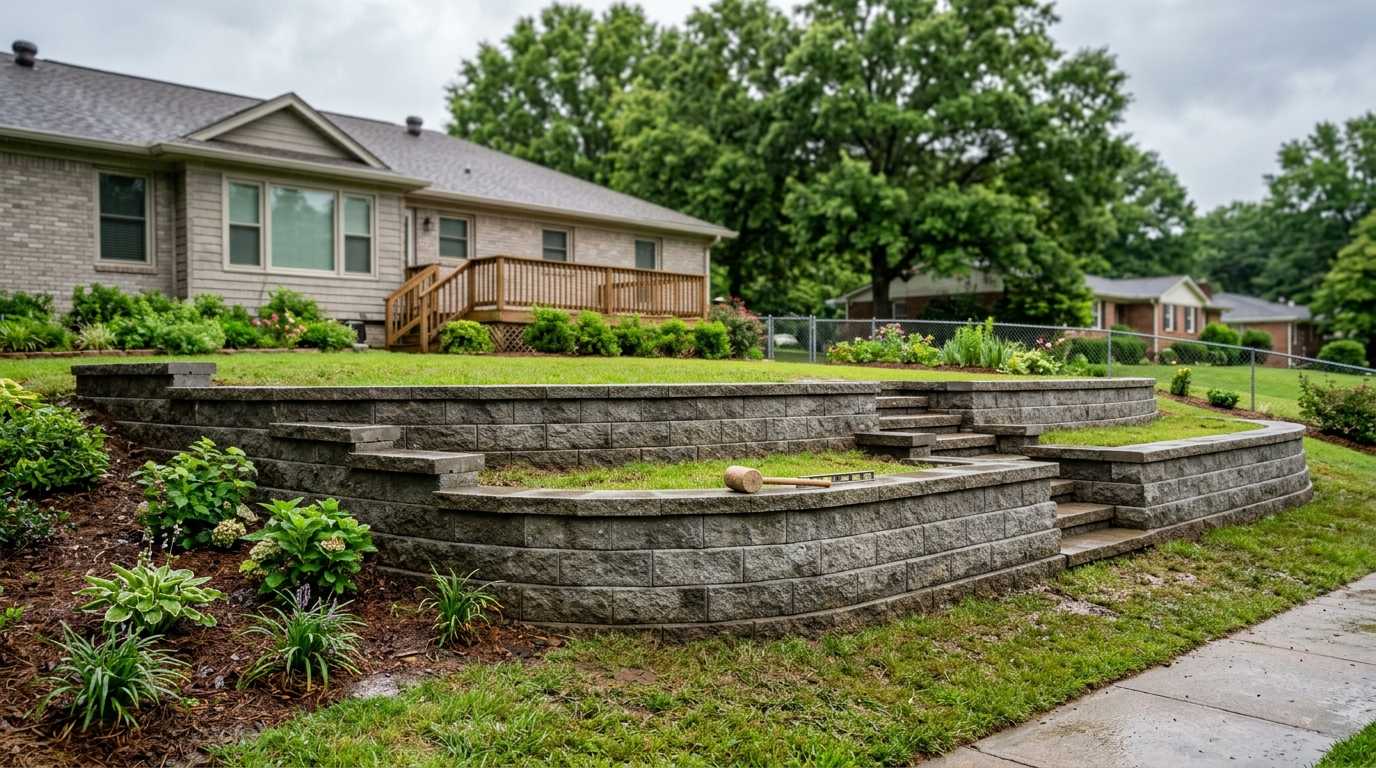
Key Takeaways
- Expansive Red Clay: Birmingham's native clay soil swells dramatically when wet, exerting thousands of pounds of lateral pressure against masonry.
- Drainage is Vital: Most retaining wall failures stem from trapped hydrostatic pressure rather than material defects.
- Engineering Thresholds: Local codes require stamped engineering designs for any retaining wall exceeding four feet in height.
Need Retaining Walls in Birmingham?
If you're looking for help in Birmingham, visit our dedicated retaining walls page for local service details, project examples, and the next steps for your home.
The Silent Threat of Alabama Clay to Homeowner Landscapes in Jefferson County
We most frequently receive calls that follow a highly predictable pattern. A homeowner notices a small hairline fracture in their backyard hardscaping, brushes it off as natural settling, and then watches in disbelief as a heavy spring storm pushes the entire hillside three inches forward. By the time we arrive on-site, the homeowner has usually already paid a general handyman to patch the mortar joints, only for the next heavy downpour to tear the repair wide open. This recurring frustration does not stem from bad masonry or cheap materials. It happens because people underestimate the physical power of waterlogged Alabama red clay. Let's look closely at how this dense clay behaves and what it takes to build a wall that stands its ground.
Dense, heavy clay defines our local region, turning a simple backyard slope into a massive structural liability during our wet spring and humid summer seasons. Homeowners across the Birmingham metro watch their lawns stay saturated for days after an Alabama thunderstorm, unaware of the silent force building behind their decorative landscaping. By partnering with experienced builders, you can halt this slow landslide while instantly transforming steep drop-offs into flat, highly functional outdoor living spaces.
Shifting soil near a home threatens more than just the lawn. Extreme ground movement can stress adjacent structures, sometimes prompting homeowners to consult a specialist for roof repair in Birmingham if foundations settle unevenly. Investing in properly engineered retaining walls is the most effective way to protect your structural framing and stabilize your sloped yard permanently.
The Mechanics of Expansive Clay and Hydrostatic Pressure
Hydrostatic pressure builds when heavy rains saturate clay soils, trapping water behind a retaining wall and forcing the structure forward. Unlike sandy soils that allow water to drain freely, clay particles are incredibly fine and tightly packed. Water entering clay binds to the mineral surfaces, causing the soil volume to swell. This physical expansion pushes outward in all directions, including directly against the back of your retaining wall.
During a hot Alabama August, dry clay shrinks and leaves deep fissures in the ground, only to swell violently again during the next heavy downpour. This continuous cycle of swelling and shrinking slowly shakes unreinforced walls apart. This shifting ground does not just threaten your yard; it can also warp siding at your home's foundation line, requiring an inspection by residential siding contractors in Birmingham to ensure moisture is not bypassing the lower sheathing.
Comparing Retaining Wall Materials Against Heavy Birmingham Soil
Selecting the right building material dictates whether your retaining wall can withstand the intense lateral pressure of expanding clay over several decades. Different materials handle the shifting weight of saturated soil in distinct ways, affecting both the upfront cost and the long-term lifespan of your landscape.
| Material Option | Average Cost per Sq Ft | Expected Lifespan | Clay Resistance |
|---|---|---|---|
| Pressure-Treated Timbers | $15 – $25 | 15 – 20 Years | Moderate (requires deep anchors) |
| Segmental Concrete Block (SRW) | $25 – $45 | 50 – 100 Years | High (flexible interlocking joints) |
| Natural Stacked Stone | $40 – $75+ | 75 – 100+ Years | Excellent (natural gravity and weight) |
Pressure-treated wood walls represent an economical option for shorter garden borders, but they eventually decay under the relentless moisture of Alabama clay. Engineered concrete block systems provide exceptional durability and flexible layout paths, making them the highest long-term value option for most sloped properties. Natural stacked stone remains the gold standard for luxury hardscaping, offering unmatched strength and a classic aesthetic that blends with high-end Alabama gardens.
Why Drainage Systems Fail Behind Masonry Walls
Retaining walls fail primarily because water cannot escape the soil behind them, creating a buildup of hydrostatic force that exceeds the weight of the masonry. Without functional drainage, even the heaviest concrete blocks will eventually bow or crack under the weight of waterlogged clay. A professional installation always includes a dedicated drainage zone directly behind the wall face.
Uncontrolled roof runoff often worsens clay saturation behind a wall. Installing high-capacity gutters with gutter guards in Birmingham keeps water flowing away from your vulnerable slopes, protecting the structural integrity of your hardscaping. Every engineered wall we build incorporates several defensive drainage layers:
- Clean Gravel Backfill: A thick column of angular gravel placed directly behind the wall blocks allows water to sink rapidly to the base instead of pooling in the clay.
- Perforated Drain Pipes: A perforated pipe installed at the footing level collects the sinking water and channels it safely away from the wall ends.
- Filter Fabric Barriers: Geotextile fabric wraps the gravel drainage zone, preventing fine clay particles from clogging the spaces between the stones over time.
- Functional Weep Holes: Small openings built into the lower block layers let trapped water exit the front of the wall, relieving pressure instantly.
Expert Field Note from Justin Johnson: On older properties in areas like Hoover and Irondale, we frequently see old railroad tie walls bowing outward under the weight of wet clay. The dead giveaway of hydrostatic pressure is a white, powdery residue called efflorescence coating the lower joints, showing where trapped water is desperately trying to escape through the solid material.
Permits, Engineering, and Real Costs of Soil Stabilization
Local building codes across Jefferson and Shelby counties require professional engineering designs and municipal permits for any retaining wall that stands over four feet tall. This threshold exists because a wall taller than four feet holds back an immense amount of soil weight, making a sudden collapse highly dangerous to nearby structures and property lines.
If your sloped property includes an accessory structure or garage with a low-slope roof, ensure your drainage strategy coordinates with flat roofing contractors in Birmingham to prevent concentrated runoff from undermining the wall's footings. Below are the common investment tiers for professional retaining wall construction in our area:
- Low Garden Wall (~60 sq ft): Typically costs $1,200 – $3,000 total and is ideal for minor lawn borders or raised planting beds.
- Slope Terracing (~180 sq ft): Typically costs $3,500 – $9,000 total and helps transform steep backyard hillsides into flat, usable tiers.
- Structural Wall (400+ sq ft): Typically costs $12,000 – $35,000+ total and requires professional engineering, soil testing, and municipal permits.
- Leaning Section Repairs: Typically costs $1,000 – $3,500 to stabilize an existing wall and install retrofitted drainage lines.
- Section Rebuilds: Typically costs $4,000 – $10,000+ depending on the wall height, site accessibility, and material choice.
Frequently Asked Questions
How much does it cost to repair a cracked retaining wall in Birmingham?
Repairing a leaning section and installing proper drainage typically costs between $1,000 and $3,500. If the structural integrity is entirely lost, a full section rebuild can range from $4,000 to over $10,000 depending on the wall height.
Can clay soil destroy a timber retaining wall faster than concrete?
Yes, clay soil holds moisture against wood timbers, accelerating rot and fungal decay. While concrete blocks are impervious to rot, timbers typically last only 15 to 20 years under the constant moisture of Alabama clay.
Do I need a permit to build a retaining wall in Birmingham?
In the Birmingham metro area, building permits are only triggered once a wall reaches a height of four feet or greater from the bottom of its footing. Any retaining structure built below this four-foot threshold can typically be installed without formal municipal engineering reviews.
Preventing Catastrophic Wall Failures
Addressing minor wall cracks and soil movement early prevents a complete structural collapse that can wash away your yard and damage adjacent structures. Postponing the remediation of a bowing or cracked wall allows the relentless cycle of wet clay expansion to slowly tear apart the remaining reinforcement, converting a straightforward drainage correction into a massive, emergency excavation project. Ignoring these warning signs eventually risks undermining your home's foundation, patios, or driveways, multiplying the ultimate cost of restoration. Having an experienced specialist evaluate your slope now ensures your property remains stable before the next heavy seasonal rains arrive.
Ready to stop researching and get real answers?
If this article helped you spot a roofing, siding, or gutter issue, the next step is simple. Get honest guidance, a professional inspection, and a clear plan from the Patriot Roofing team.
Justin Johnson
Owner / Licensed Home Builder
Justin is the Co-Owner of Patriot Roofing & Builders and a Licensed Alabama Home Builder. With extensive experience in high-performance exterior systems and storm restoration, he brings a hands-on, technical perspective to every project across the Greater Birmingham area.
More About UsYou Might Also Like
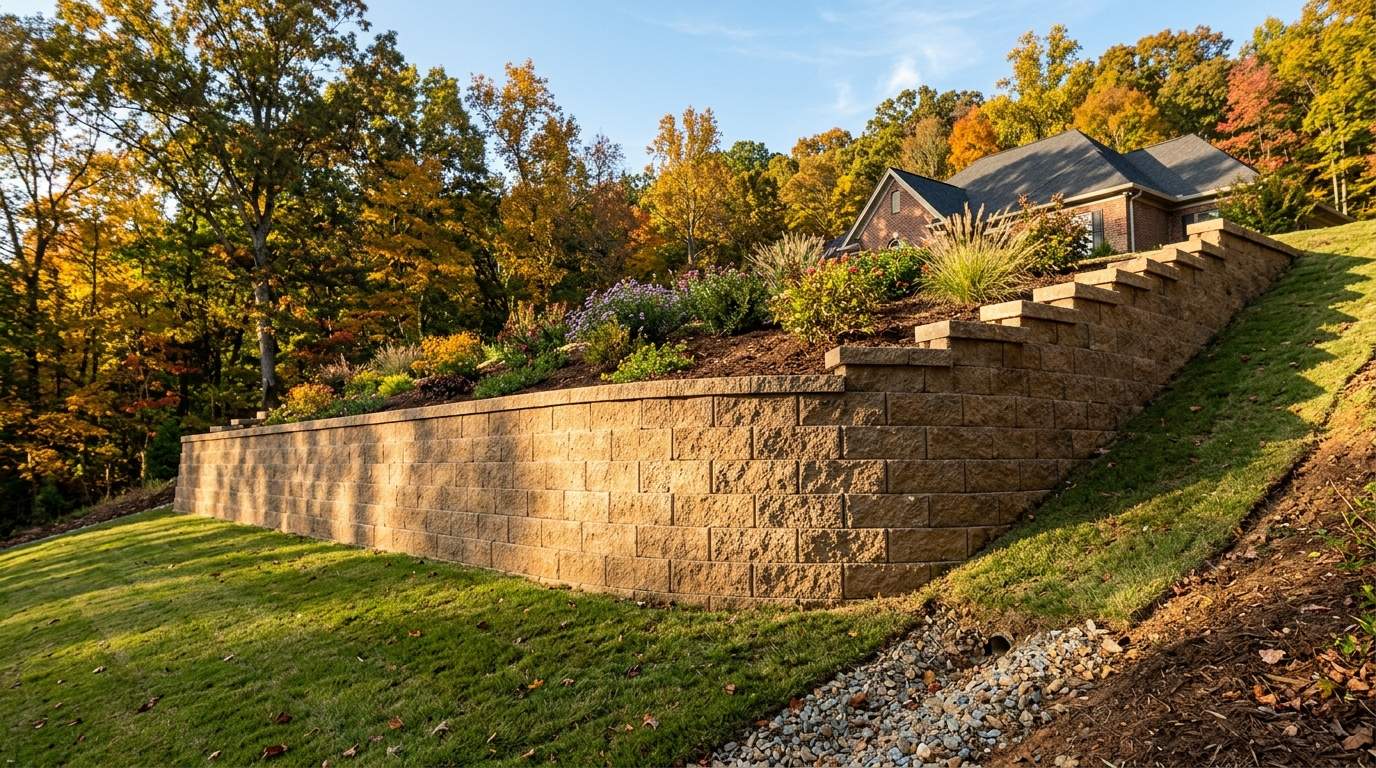
Why Timber Walls Rot Fast in Homewood, AL
