Key Takeaways
- Moisture Retention: Homewood's heavy oak canopies block sunlight, preventing asphalt shingles from drying and creating a perfect breeding ground for algae.
- Structural Decay: Left unchecked, algae and moss trap water against the roof surface, eventually rotting the underlying wooden deck.
- Prevention Beats Replacement: Trimming the canopy back, adding zinc or copper strips, and moving to twice-yearly maintenance under heavy shade all cost far less than an early tear-off.
Need Roof Repair in Homewood?
If you're looking for help in Homewood, visit our dedicated roof repair page for local service details, project examples, and the next steps for your home.
Moisture Dynamics Under Homewood's Mature Canopies
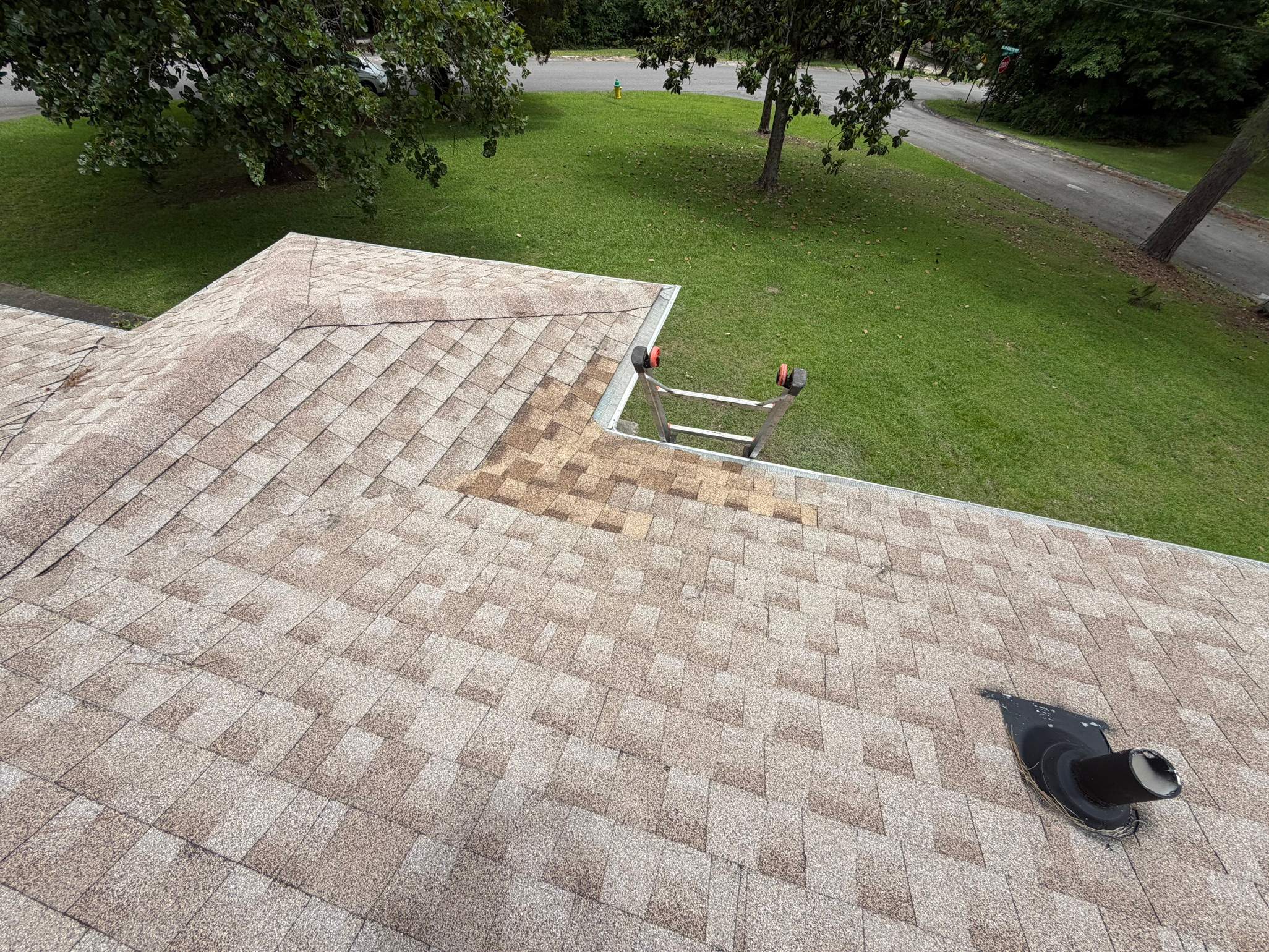
The pattern turns up on the same slope nearly every time: north-facing, sitting under a mature oak, dark streaks running ridge to gutter, while the sunny side of the same roof still looks close to new. Homeowners usually call about the streaks because they read as dirt. What matters is what the shade is doing underneath them. A slope that never gets direct sun stays damp for days after an afternoon thunderstorm, and shingles that stay damp hold algae first, then moss, then standing water against the deck. By the time the growth is heavy enough to notice from the driveway, the plywood beneath it has often been wet for years.
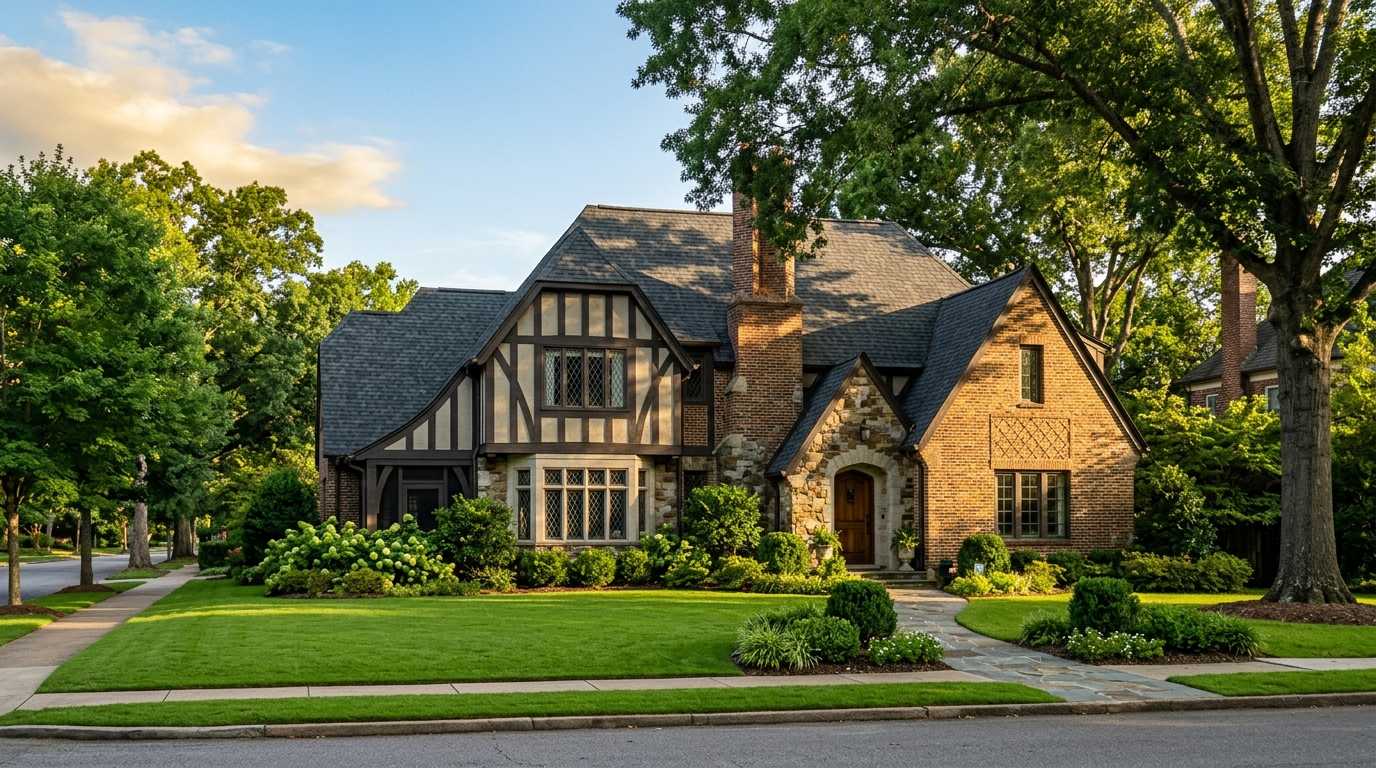
Mature trees define the character of neighborhoods like Edgewood and Hollywood, but their dense shade significantly alters the microclimate of your roof. When sunlight cannot reach the shingles, morning dew and rainwater linger for hours, fueling fungal growth. Homeowners requiring specialized residential roof repair in Homewood often discover that shaded sections of their roof age twice as fast as those exposed to direct sunlight. This persistent moisture softens the asphalt binding, making shingles highly vulnerable to wind lift and leaks during sudden Birmingham storms.
The Biological Culprit: Gloeocapsa magma
Gloeocapsa magma is the scientific name for the black, soot-like streaks that commonly stain local roofs. This hardy bacterium thrives in warm, humid environments and spreads through airborne spores that easily migrate from tree branches to your roofline. Once established, the bacteria feed on the limestone filler used in modern shingle roofing materials, slowly eating away at the protective granules that shield your home from intense summer UV rays.
As the protective granule layer degrades, the shingles lose their ability to shed water and reflect heat. You will typically notice several warning signs when algae begins to compromise your roof's integrity:
- Dark, vertical streaks running from the ridge line down to the gutters
- A fuzzy green texture indicating moss growth in the shingle seams
- Debris accumulation, such as oak tassels and leaves, trapping water in the valleys
- Slight curling or lifting at the bottom edges of the shingles
If you ignore these early warning signs, the algae will pave the way for moss and lichen, which root directly into the shingle backing and cause permanent structural damage.
Comparing Algae Damage and Shingle Lifespans
Roof algae is not merely a cosmetic issue; it directly impacts how long your roofing materials will last before requiring a full replacement. While a clean, well-ventilated roof in Jefferson County can easily last twenty-five years, heavy algae and moss infestation can cut that lifespan in half by trapping moisture against the wood deck. Understanding the progression of this damage helps homeowners decide when to invest in targeted repairs versus a complete overhaul.
When evaluating the condition of your roof, it helps to compare the long-term effects of algae accumulation on different roofing systems. The table below outlines how shade-induced organic growth alters performance over time.
| Roof Condition | Typical Lifespan | Primary Risk Factor | Recommended Action |
|---|---|---|---|
| Clean & Fully Exposed | 25–30 Years | UV weathering | Routine inspection |
| Mild Algae Streaking | 18–22 Years | Granule loss | Professional washing |
| Heavy Moss & Lichen | 10–15 Years | Wood deck rot | residential roof replacement in Homewood |
Addressing these issues early prevents minor leaks from turning into major structural failures that require extensive deck replacement.
Preventing Algae Growth on Shaded Rooflines
Preventing roof algae requires a proactive approach that combines landscape management with modern roofing materials. The most effective way to protect your home is to eliminate the damp, shaded conditions that the bacteria need to survive. Implementing a few strategic maintenance habits will keep your roof dry and extend its service life.
By taking control of your roof's microclimate, you can stop organic growth before it takes hold. We recommend focusing on these key preventative strategies:
- Trim Overhanging Limbs: Keep tree branches pruned back at least ten feet from your roofline to maximize sunlight and airflow.
- Install Zinc or Copper Strips: Placing metal strips near the roof ridge releases algae-inhibiting ions every time it rains.
- Schedule Annual Cleanings: Keep valleys and gutters free of organic debris to ensure rapid drainage.
- Invest in Roof Maintenance: Regular Roof Maintenance in Homewood catches small patches of growth before they spread. Homes under heavy tree cover generally need two visits a year instead of one, which runs $450 to $800 annually.
On older homes in historic areas like Edgewood, we constantly see black streaks concentrated directly beneath overhanging oak limbs. If you look closely, the algae line perfectly mirrors the tree canopy above, showing how even a minor trim can completely change the roof's microclimate.
Frequently Asked Questions
Can I power wash the algae off my Homewood roof?
No, you should never use a high-pressure power washer on asphalt shingles. High pressure blasts away the protective mineral granules, instantly ruining the shingles and voiding your manufacturer warranty. Instead, professionals use a low-pressure chemical treatment to safely kill the algae.
How much does it cost to repair algae-damaged roof decking?
The cost depends on the size of the affected area. A minor repair to replace a few soft spots typically costs between $150 and $500. However, if the dampness has rotted the structural decking across a large section, a major roof repair can range from $1,500 to $5,000 or more.
Do algae-resistant shingles actually work?
Yes. Algae-resistant shingles carry copper-infused granules that release copper ions slowly every time it rains, which stops spores from taking root and slows the granule loss that shortens a roof's life. The algae resistance carries its own warranty term, separate from the shingle warranty, so ask which one applies to the product you are quoted.
Protecting Your Homewood Roof Deck
Preserving the historic charm of Homewood homes means managing the beautiful canopies that shade our neighborhoods. When mature trees begin to compromise your home's envelope, taking swift action is the best way to avoid costly structural damage. Older homes under heavy canopy need that balance most, and it calls for the same attention to the building envelope we brought to a full exterior renovation in West Homewood. Managing the shade instead of ignoring it is what keeps the structure sound for decades.
Walk out to your driveway on a bright day and look at the northern slopes of your roofline that sit directly beneath mature trees. If you spot dark, vertical streaks spreading down the shingles, schedule a professional assessment to evaluate the integrity of your roof deck.
Ready to stop researching and get real answers?
If this article helped you spot a roofing, siding, or gutter issue, the next step is simple. Get honest guidance, a professional inspection, and a clear plan from the Patriot Roofing team.
Justin Johnson
Owner / Licensed Home Builder
Justin is the Co-Owner of Patriot Roofing & Builders and a Licensed Alabama Home Builder. With extensive experience in high-performance exterior systems and storm restoration, he brings a hands-on, technical perspective to every project across the Greater Birmingham area.
More About UsRoof Repair in Homewood
You Might Also Like
Emergency Leak Mitigation in Vestavia Hills, AL