Key Takeaways
- Superheated attic air bakes asphalt shingle underlayment from below, causing premature curling, blistering, and adhesive failure.
- Older homes across Jefferson County often lack balanced ridge and soffit ventilation, creating trapped heat pockets during central Alabama summers.
- Addressing intake blockages through targeted residential roof repair in Irondale protects underlying plywood decking and extends overall roof life.
Need Roof Repair in Irondale?
If you're looking for help in Irondale, visit our dedicated roof repair page for local service details, project examples, and the next steps for your home.
How Superheated Attic Air Degrades Irondale Roof Systems
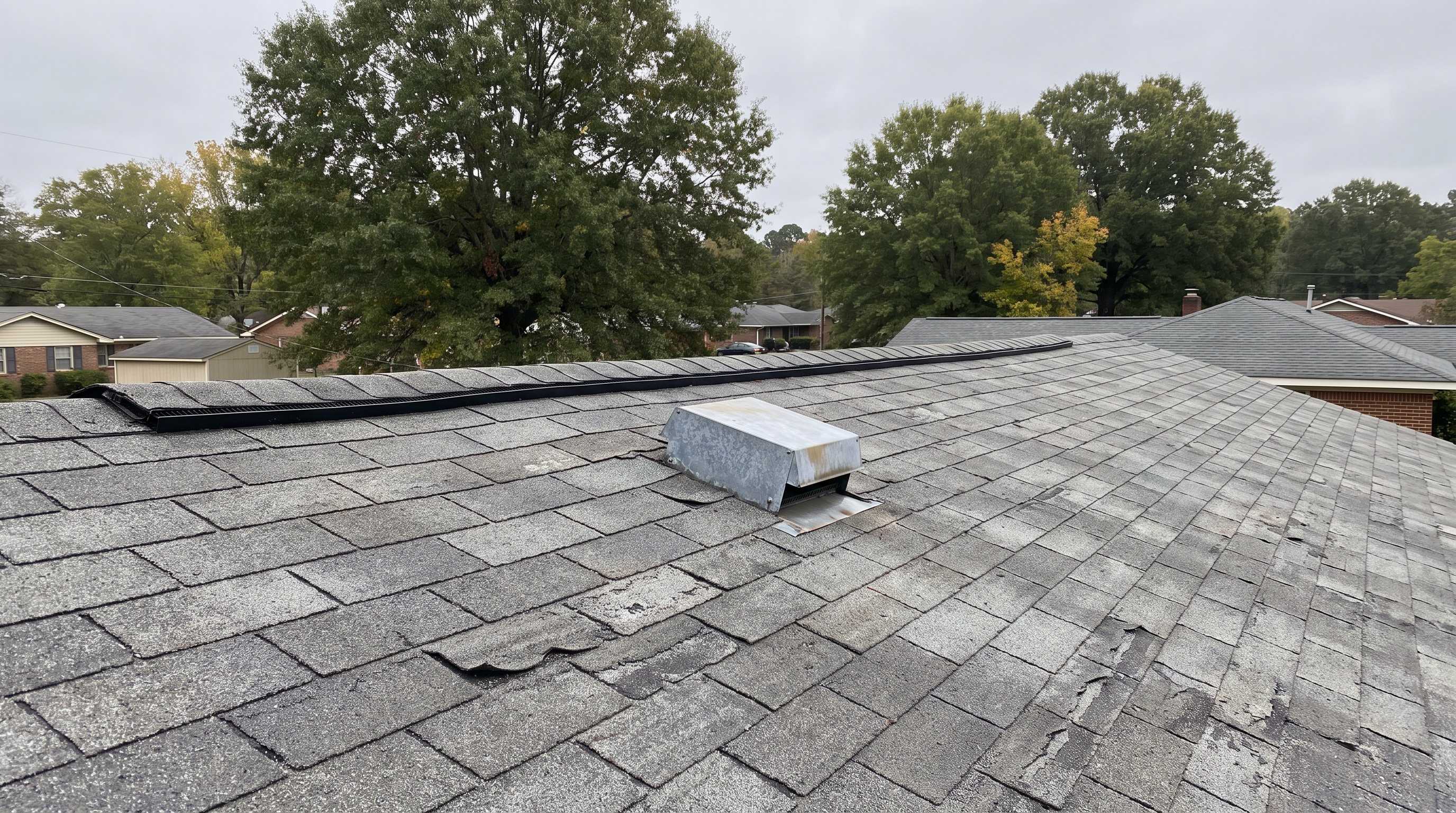
A homeowner looks up at their driveway and sees shingle edges curling along the back slope, assuming a spring storm lifted the tabs. They often try dabbing roofing cement under the loose edges, but the patches pop back up within months as adjacent shingles start blistering. When our inspection team climbs into the attic of these mid-century or 1980s Jefferson County residences, we find an enclosed space holding extreme heat long after sunset. The roof deck wood feels hot to the touch, and the underside of the decking shows dark thermal discoloration. What looks like simple surface storm damage from the driveway is actually a ventilation breakdown baking the roof from below.
Unvented attic spaces retain massive thermal energy during long Alabama summers. When superheated air stays trapped against the roof decking, it cooks the organic and synthetic materials that hold your roof together. Fixing ventilation bottlenecks through targeted residential roof repair in Irondale allows homeowners to stop premature material failure before structural deck repairs become necessary.
The Thermal Baking Mechanism Behind Early Shingle Decay
Asphalt shingles absorb heavy radiant heat from above, but they depend on steady attic airflow to release heat from underneath the deck. When hot air remains trapped inside the structure, the core temperature of OSB or plywood decking rises significantly. This sustained thermal exposure forces volatile oils out of the asphalt mat, leaving individual shingles brittle and prone to deep cracking.
As the essential asphalt binder breaks down, protective surface granules loosen and wash away through downspouts during rains. Exposed asphalt rapidly degrades under direct sunlight, while extreme thermal expansion breaks the factory adhesive strips holding courses together. Scheduling regular roof maintenance helps identify early granule loss and deck hot-spots long before water penetrates the ceiling interior.
Expert Field Note from Justin Johnson: On many mid-century Irondale homes with low-pitch gables, soffit vents often get completely blocked by retrofitted blown-in insulation. Without an open intake pathway at the eaves, ridge vents sit idle and the roof decking bakes, creating dark heat stains on the plywood long before an active leak ever reaches the ceiling.
Comparing Ventilation Types for Attic Heat Relief
Achieving balanced intake and exhaust airflow requires selecting hardware suited to your specific roof slope and architectural style. Operating an exhaust vent without sufficient intake airflow can accidentally draw conditioned air out of your living space instead of cooling the attic.
| Ventilation System | Airflow Function | Best Suited For | Primary Advantage |
|---|---|---|---|
| Continuous Ridge Vents | Exhaust | Gable roofs with long peaks | Releases rising heat evenly along the entire roof ridge |
| Soffit Intake Baffles | Intake | Overhanging eaves and soffits | Draws cool outside air into the lower perimeter of the attic |
| Static Roof Vents | Exhaust | Hipped roofs or short ridge lines | Targets localized heat pockets on complex roof sections |
| Powered Attic Fans | Exhaust | Large attics with restricted passive flow | Mechanically pulls superheated air out during hot afternoons |
Upgrading to continuous ridge vents during a full residential roof replacement in Irondale ensures heat escapes naturally along the roof peak. Paired with clear eave intake channels, continuous airflow protects internal wooden decking without increasing monthly utility costs.
Warning Signs That Attic Heat Is Ruining Your Roof Deck
Excessive heat damage rarely creates an immediate ceiling drip inside your home. Structural degradation usually reveals itself through surface shingle distortions and rising interior cooling expenses before roof leaks occur.
- Shingle Cupping and Curling: Shingle edges turn upward or tabs claw downward as the asphalt binder shrinks from heat.
- Granule Accumulation in Gutters: Mineral granules washing into gutter troughs, leaving dark, bald patches on shingle faces.
- Surface Blistering: Small raised bubbles on shingles caused by trapped moisture vapor expanding within superheated asphalt layers.
- Stiff Energy Costs: Air conditioning units running continuously because trapped attic heat radiates downward into living areas.
- Pushed-Out Roofing Fasteners: Rapid deck expansion pushing nails upward, lifting shingles and breaking weather seals.
Spotting these signs early prevents widespread structural rot. Addressing soffit gaps or restoring chewed wood from wildlife, as seen in our project involving Squirrel Damage Repaired in Irondale, Al, frequently uncovers blocked intake channels that were suffocating the roof space. Scheduling certified roof inspectors pinpoints airflow restrictions before shingle mats suffer permanent damage.
Cost Factors for Repairing Heat-Damaged Roof Systems
Repair expenses for heat-stressed roof structures depend on how deeply thermal breakdown has penetrated into the roof deck. Addressing intake shortages early stops minor material failure from turning into major structural restoration.
Minor repairs generally cost between $150 and $500 to replace localized heat-blistered shingles or fix popped fasteners around vent collars. Standard repairs range from $450 to $1,500 when replacing several course sections of brittle shingles, opening eave baffles, or fixing localized flashing. If unvented heat causes widespread plywood warping or rot across entire roof slopes, major repairs typically cost between $1,500 and $5,000+ to replace structural decking and install balanced ventilation.
Homeowners planning structural maintenance can use our roofing cost calculator to estimate project costs accurately. For extensive restoration needs, reviewing flexible financing options allows families to complete crucial upgrades promptly without compromising structural safety.
Frequently Asked Questions
How hot does an unvented attic get in Irondale?
An unvented attic in central Alabama can reach internal temperatures exceeding 140 degrees during summer afternoons. This trapped heat bakes the underside of roof decking and transfers heavy thermal loads down into living spaces.
Does trapped heat void asphalt shingle warranties?
Excessive attic heat caused by inadequate ventilation can void manufacturer warranties on asphalt shingles. Thermal baking causes premature blistering and granule loss that material warranties do not cover when ventilation standards are ignored.
Can you fix attic ventilation without replacing the roof?
Targeted repairs can clear blocked soffit intake vents and install static roof vents or ridge exhausts if the wooden deck remains structurally sound. Professional roof repair restores necessary airflow and stops heat accumulation without requiring full roof removal.
What is the most reliable attic ventilation design?
A balanced passive system combining continuous ridge exhaust vents with open soffit intake baffles provides the most reliable long-term performance. Thermal convection pulls cooler air into the eaves and vents superheated air out at the ridge peak.
Protecting Your Irondale Roof Structure From Excessive Heat
Maintaining adequate ventilation preserves structural lumber while reducing interior cooling demands during central Alabama summers. Keeping lower intake vents clear and upper exhaust ridges open ensures high-quality shingle roofing reaches its full engineered service life.
Peek into your attic space during daylight hours and check whether clear daylight passes through the eave vents along the lower overhang perimeter. If those intake vents appear dark or covered by insulation, schedule a thorough roof evaluation to restore proper airflow and keep your decking healthy.
Ready to stop researching and get real answers?
If this article helped you spot a roofing, siding, or gutter issue, the next step is simple. Get honest guidance, a professional inspection, and a clear plan from the Patriot Roofing team.
Justin Johnson
Owner / Licensed Home Builder
Justin is the Co-Owner of Patriot Roofing & Builders and a Licensed Alabama Home Builder. With extensive experience in high-performance exterior systems and storm restoration, he brings a hands-on, technical perspective to every project across the Greater Birmingham area.
More About UsRoof Repair in Irondale

You Might Also Like
What Causes Roof Leaks in Vestavia Hills, AL?