
Key Takeaways
- Identify the silent killer: Hail damage on asphalt shingles rarely causes immediate leaks, instead presenting as subtle bruises and granule loss that slowly degrade the roof's waterproofing layer.
- Look for collateral clues: Ground-level indicators like dented soft metal vents, damaged gutters, and bruised siding are reliable signs that your roof shingles sustained significant impact.
- Mind the insurance clock: Alabama homeowners must document and file storm damage claims within strict carrier deadlines to avoid paying for a full roof replacement out of pocket.
Need Storm Damage Restoration in Birmingham?
If you're looking for help in Birmingham, visit our dedicated storm damage restoration page for local service details, project examples, and the next steps for your home.
Detecting Storm Damage Across Jefferson & Shelby Counties
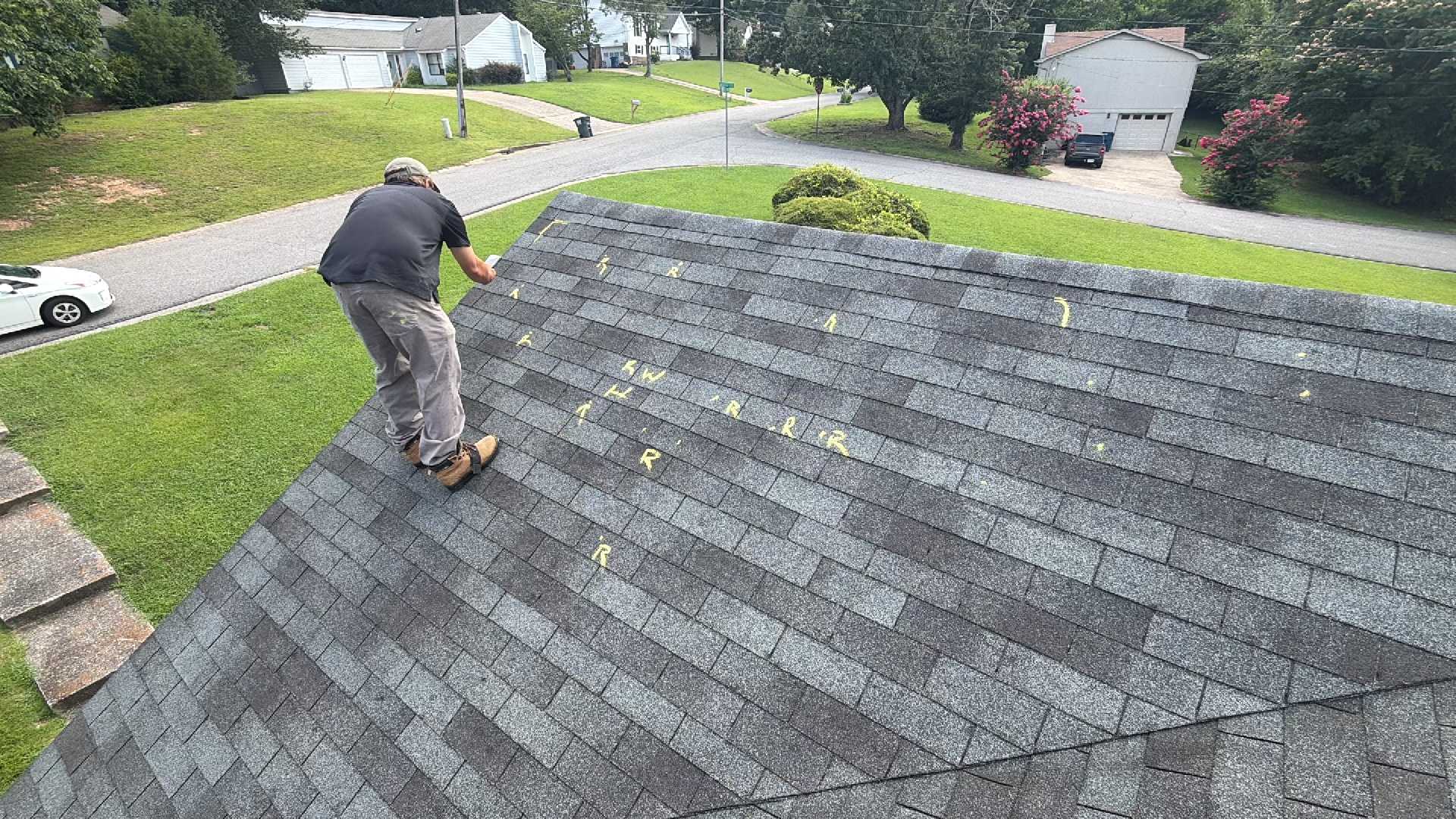
The phone call we get most often after severe Alabama weather rolls through is not from a homeowner with water actively dripping through their ceiling. Instead, a typical homeowner calls months later because a gutter cleaning reveals a massive pile of loose mineral granules. By the time we climb up to inspect these houses, the silent bruising left by localized hail has baked under the intense late-summer sun, causing the underlying asphalt mat to dry out and crack. Waiting until a roof actually leaks to look for storm damage is a costly mistake that often pushes people past their insurance claim filing windows. Spotting these physical warning signs early is the only way to protect your home before the next major storm system hits.
Inland North and Central Alabama communities regularly face intense severe thunderstorms that bring localized, high-velocity hail. Because these ice impacts are highly concentrated, two houses on the same street in Hoover or Trussville can experience completely different levels of damage. Scheduling a professional storm damage inspection in Birmingham after a major storm ensures you catch hidden issues before they turn into major structural leaks.
The Physical Signs of Roof Hail Damage on Asphalt Shingles
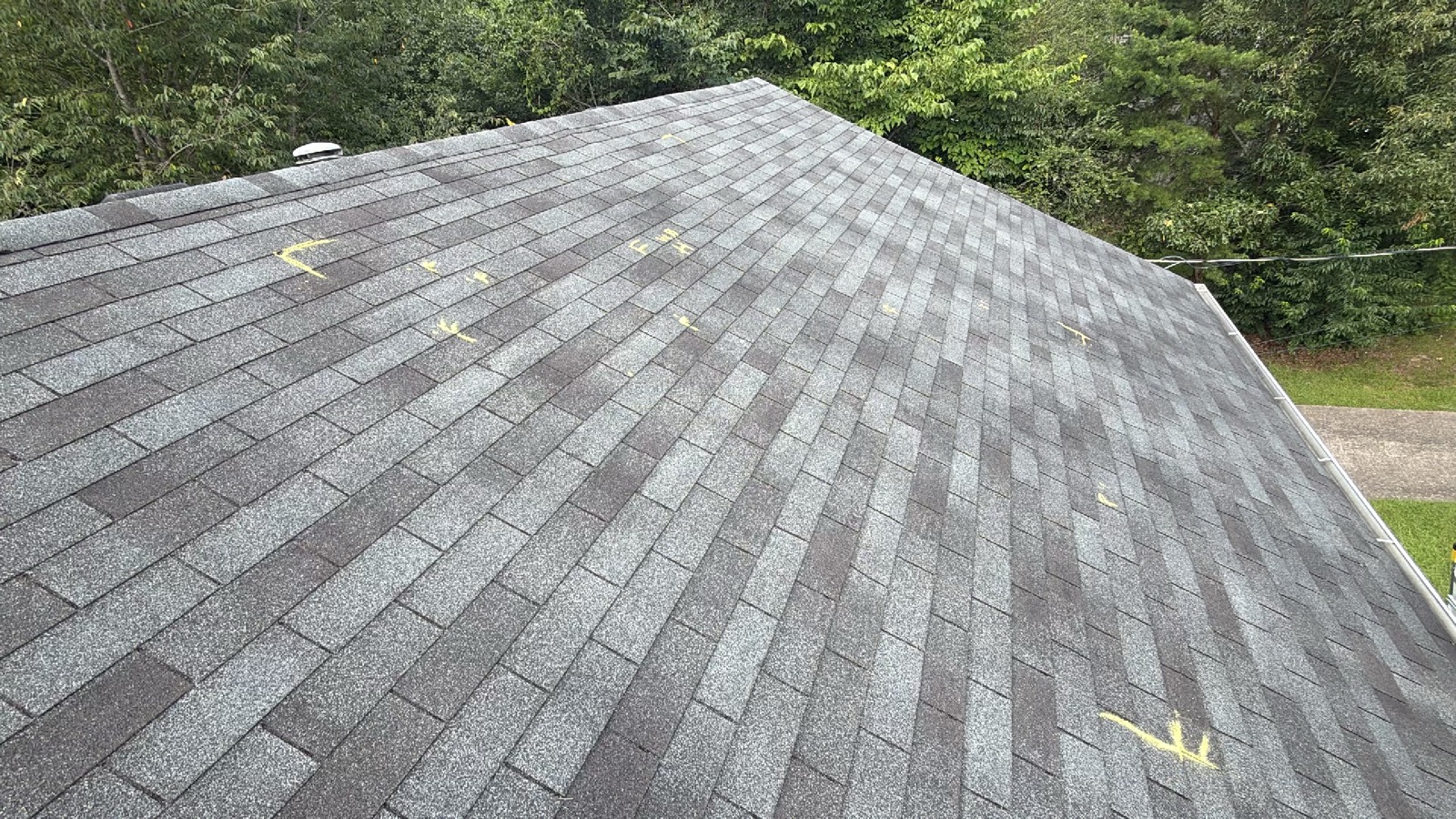
Identifying physical impact damage on a roof requires looking for dark, circular bruises, localized granule loss, and fractured fiberglass backing. Hail acts as a silent destroyer of asphalt roofing systems because the initial impact rarely tears the shingle completely off the deck. Instead, the physical impact of the ice stone fractures the underlying fiberglass mat and knocks away the protective mineral granules. According to research conducted by the Insurance Institute for Business & Home Safety (IBHS), the loss of these granules exposes the volatile asphalt binder to destructive ultraviolet solar radiation, which rapidly accelerates shingle decay.
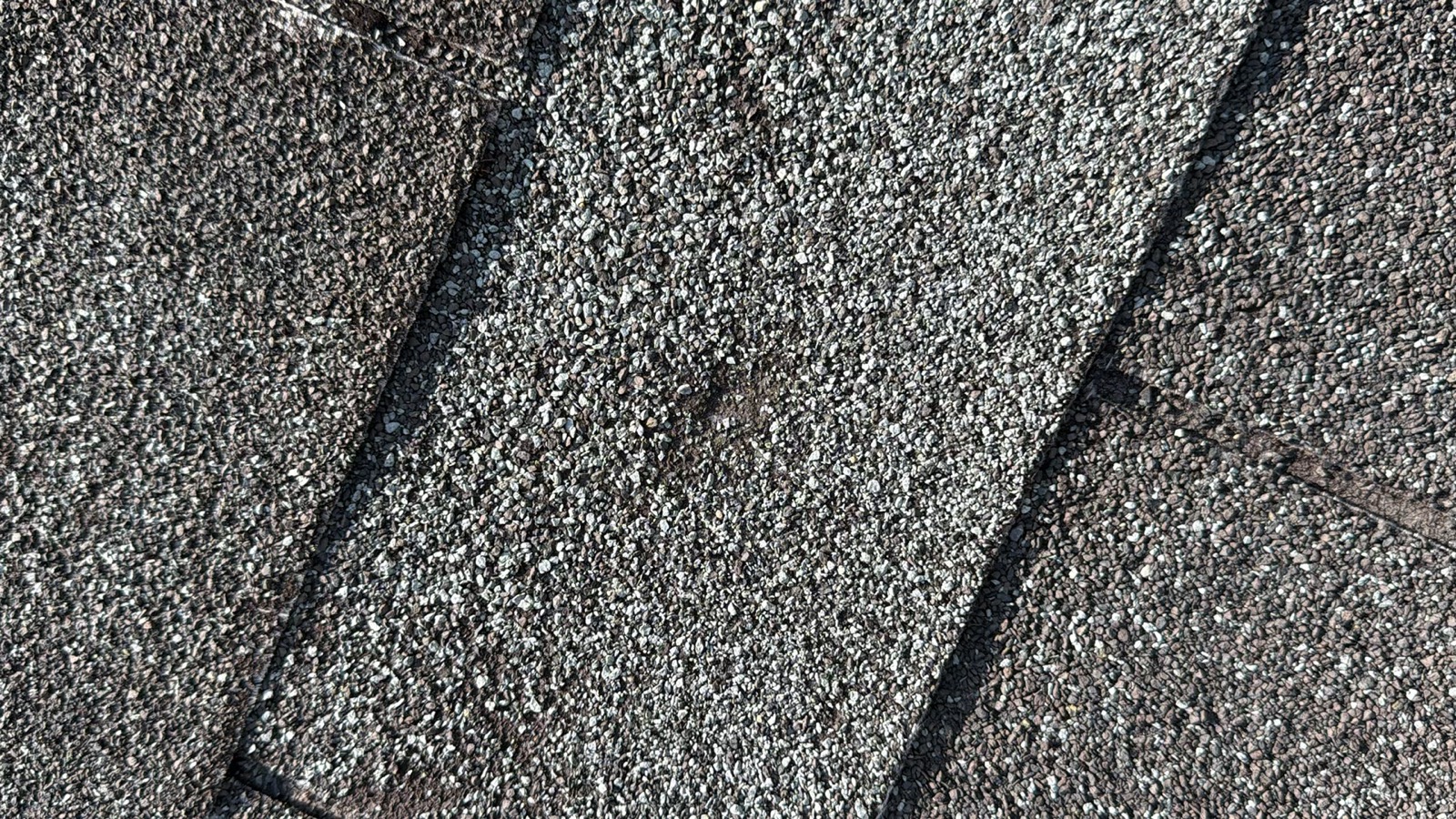
When assessing your roof for potential hail impacts, our certified inspectors look for several specific, physical changes on the shingle surface:
- Dark, circular bruises: These soft spots feel like the bruised skin of an apple when pressed, indicating that the internal fiberglass reinforcement has fractured.
- Localized granule loss: Patches of missing granules that expose the black, shiny asphalt layer underneath.
- Crater-like indentations: Small, circular depressions where hail stones have physically compressed the asphalt mixture.
- Fractured shingle edges: Cracks or tears along the lower edges of the shingles, which are particularly common on older, less flexible roofs.
As roofs naturally age, they become significantly more brittle and susceptible to impact damage. The IBHS Roof Aging Farm research program has demonstrated that older shingles lose their ability to shed impact energy, meaning even small hail can cause severe functional damage on an older roof that a brand-new roof might easily withstand. If your roof has reached the end of its useful lifespan, a full roof replacement in Birmingham is often the most reliable way to secure long-term protection.
Where to Look for Collateral Hail Damage at Ground Level
Checking your gutters, downspouts, siding, and outdoor fixtures for dents or cracks is the safest way to detect storm impact, because you can do it with both feet on the ground. You do not need to climb a ladder to find evidence of severe weather impacts. Hail hard enough to damage heavy asphalt shingles will almost always leave obvious, permanent marks on softer materials around your property first.
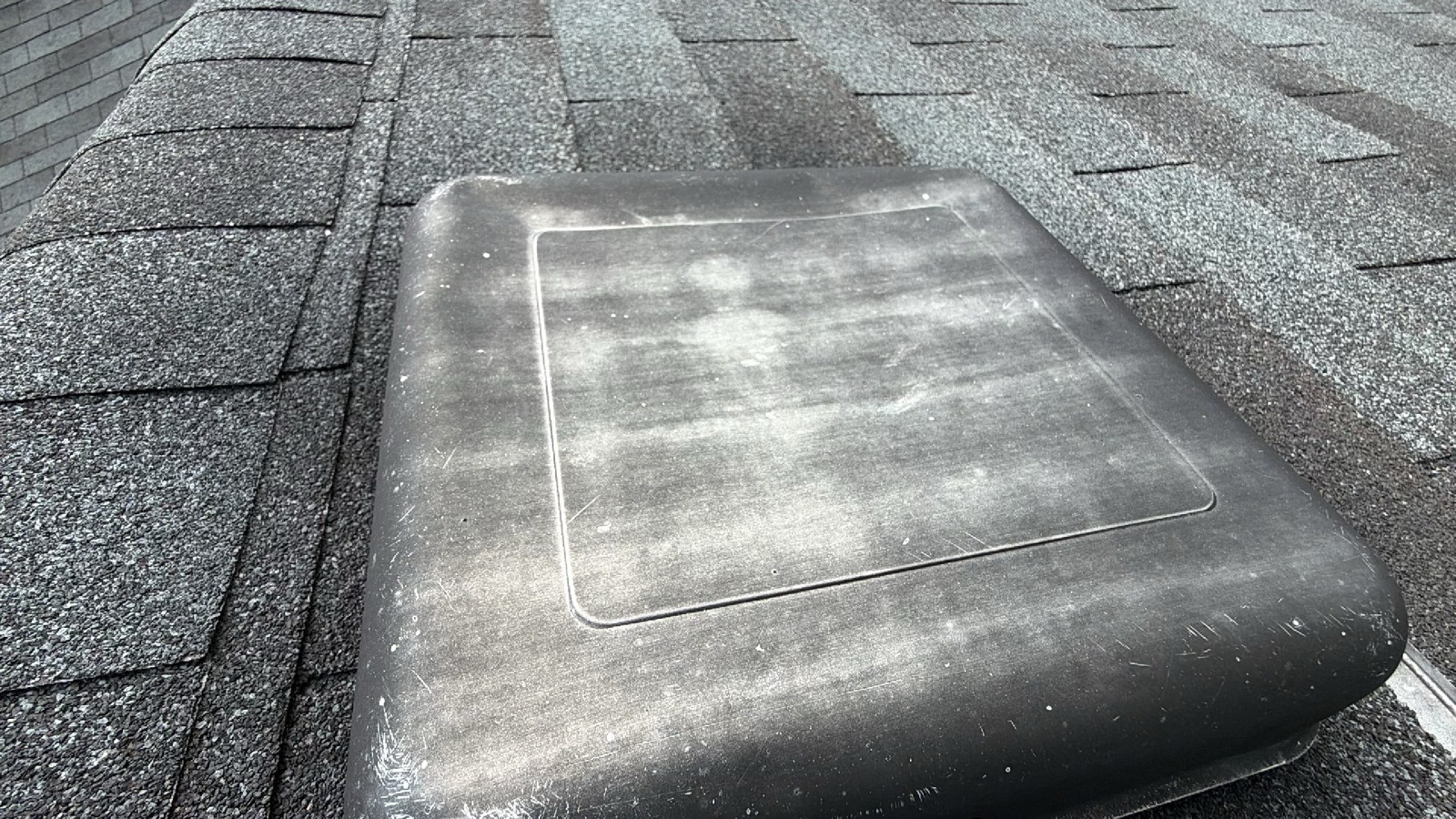
Walk around your home and use this checklist to identify collateral hail damage on your property's exterior:
- Dented gutters and downspouts: Look closely at the metal surfaces for small, circular dings, and ensure the gutters remain secured to the house by their gutter straps.
- Damaged siding and trim: Check for cracks, chips, or dents in your siding, or consult with residential siding contractors in Birmingham if you notice deep fractures in vinyl or wood cladding.
- Debris in your downspout runoff: Inspect the ground directly beneath your downspout exits for large accumulations of loose shingle granules.
- Dented metal valley flashing: Look for physical divots or worn-off paint on the metal valleys and flashing, which serves as an anti-rust layer.
If your gutters are clogged with leaves or pulled away from the fascia, they cannot properly divert water. Ensuring your downspouts are clear and divert water at least 3 to 4 feet away from your foundation is crucial to preventing secondary water damage after a major storm. If you notice structural separation, scheduling a professional gutter repair can prevent water from pooling near your foundation.
How Hail Damage Affects Different Roofing Materials
Different types of roofing materials respond uniquely to severe ice storms, ranging from functional bruising on asphalt to physical fractures on clay tiles. While asphalt is the most common material in our area, many homeowners choose alternative systems for enhanced durability. For example, a high-quality standing seam metal roofing system provides exceptional resistance to impact, though severe storms can still leave cosmetic dents on metal panels.
To help you understand how different materials perform, we have compared their typical hail damage characteristics below:
| Material Type | Typical Hail Impact | Long-Term Risk |
|---|---|---|
| Asphalt Shingles | Bruising, granule loss, fractured backing | Accelerated leaks, UV degradation |
| Metal Panels | Cosmetic dents, loose screws, worn paint | Rusting if protective coating is removed |
| Clay & Slate Tiles | Cracked, chipped, or missing tiles | Immediate water intrusion through gaps |
Regardless of the material, severe storms can compromise the underlying roof deck and framing. A comprehensive audit of your entire roof system is essential to identify hidden structural stress points before they cause widespread interior damage.
The Cost of Hail Damage and the Insurance Claims Process
For an approved hail claim, your out-of-pocket cost is usually your wind and hail deductible, and that number varies more than most homeowners realize. Some Alabama policies carry a flat deductible of $1,000 to $2,500, while many newer policies set it at 1 to 2 percent of your dwelling coverage, which works out to $3,000 to $8,000 on many Birmingham metro homes. Homeowners insurance typically covers roof damage from sudden, accidental storm events like hail or high winds; once the damage is documented and approved, the carrier funds the rest of the project. Check your declarations page for the exact wind and hail figure before assuming either number.
Because insurance policies have strict deadlines for filing storm claims, prompt documentation is essential. If you want to estimate your potential out-of-pocket costs based on your roof's size and material type, you can use our interactive roofing cost calculator to plan your budget before meeting with an adjuster. We also offer flexible financing options to help homeowners manage their deductibles and any out-of-pocket upgrades without stress.
Expert Field Note: Diagnostic Observations from the Field
A professional diagnostic assessment of hail damage requires distinguishing between natural wear and tear and actual storm impact. Adjusters sometimes read hail bruising as blistering or thermal cracking, which are wear conditions a policy does not cover. Having an experienced contractor present during your adjuster meeting ensures actual storm-related fractures are documented as exactly that.
On established homes in historic neighborhoods like Forest Park or Highland Park, we repeatedly find that aged shingles lose their flexibility, making them far more vulnerable to fracturing from even small, half-inch hail strikes. The physical giveaway of real hail damage is a dark, circular bruise that is soft to the touch, often accompanied by fresh, clean-looking asphalt exposed beneath the missing granules.
If you suspect your roof has been compromised, scheduling a professional roof repair in Birmingham can address minor leaks before they spread. You can see the end result of that process in a storm-damage roof replacement we completed in Glen Iris. In Birmingham's local historic districts, including parts of Glen Iris and all of Forest Park and Highland Park, permanent storm repairs also run through the city's design review process; our Certificate of Appropriateness guide explains how we sequence that approval alongside the insurance claim.
Frequently Asked Questions
How do I know if my roof has hail damage without climbing on it?
You can check for ground-level clues like dented gutters, split siding, damaged window trim, and large piles of shingle granules at the end of your downspouts. If these soft metals and materials show impact marks, your roof shingles likely sustained damage as well.
How long do I have to file a roof hail damage claim in Alabama?
Most insurance policies in Alabama require homeowners to file storm damage claims within one year of the date of the verified storm event. It is critical to check your specific policy guidelines to ensure you do not miss this time-sensitive window.
Will my insurance cover a full roof replacement for hail damage?
If a certified inspector documents widespread functional damage, such as fractured fiberglass backing or exposed asphalt mats, most policies cover replacement. What you pay depends on your policy type: with replacement cost value (RCV) coverage you are typically responsible for the deductible alone, while actual cash value (ACV) coverage deducts depreciation from the payout on an older roof. Our guide to ACV vs. RCV coverage in Alabama explains the difference before you file.
What is the difference between hail bruising and normal shingle blistering?
Hail bruising causes a soft, indented spot where the physical fiberglass mat inside the shingle has fractured under impact. Shingle blistering is a manufacturing or ventilation defect where trapped moisture expands, popping upward and leaving a hard, hollow crater with no underlying structural fracture.
How can I get assistance with my insurance claim?
Working with a contractor experienced in Storm Damage Restoration in Birmingham ensures you have an expert who can document the damage, meet with your insurance adjuster, and provide the detailed line-item quotes required for claim approval.
Protecting Your Birmingham Home from Severe Weather
Securing your property against severe weather requires choosing impact-resistant materials that can withstand the high winds and heavy storms common to Central Alabama. We install premium, high-wind shingle roofing systems from GAF, which are specifically engineered to withstand severe weather and are rated for winds up to 130 mph. Combining these durable materials with professional installation is the best way to ensure your family sleeps soundly during spring severe weather warnings.
Ignoring bruised shingles allows slow water intrusion to rot your underlying roof deck, eventually turning a simple insurance-covered claim into a major structural expense paid entirely out of your pocket. Scheduling a professional assessment today is the only way to catch these hidden entry points before they compromise your home's framing. I am ready to provide a thorough, honest inspection of your shingles to ensure your property remains watertight.
Ready to stop researching and get real answers?
If this article helped you spot a roofing, siding, or gutter issue, the next step is simple. Get honest guidance, a professional inspection, and a clear plan from the Patriot Roofing team.
Justin Johnson
Owner / Licensed Home Builder
Justin is the Co-Owner of Patriot Roofing & Builders and a Licensed Alabama Home Builder. With extensive experience in high-performance exterior systems and storm restoration, he brings a hands-on, technical perspective to every project across the Greater Birmingham area.
More About UsStorm Damage Restoration in Birmingham

You Might Also Like
How Birmingham Humidity Forces Local Siding Replacement