

Key Takeaways
- Alabama's expanding red clay demands heavy-duty gravel backfill and geogrid reinforcement to survive seasonal moisture changes.
- Any landscape wall exceeding four feet in height requires stamped structural engineering drawings to guarantee slope stability.
- Proper drainage infrastructure remains the single most critical factor in preventing collapse during early summer downpours.
Need Retaining Walls in Homewood?
If you're looking for help in Homewood, visit our dedicated retaining walls page for local service details, project examples, and the next steps for your home.
The Hidden Threat to Homewood Hardscaping
Building a retaining wall in Homewood requires serious geotechnical planning rather than simply stacking heavy blocks. Our hilly terrain puts immense pressure on landscape borders, especially in older neighborhoods from the historic streets of Hollywood to the steep blocks of Edgewood. I constantly see homeowners forced to replace borders built without proper footings or soil analysis.
We approach custom engineered landscape retaining walls in Homewood as an engineering discipline. A durable barrier must account for Alabama's severe early summer thunderstorms and our notorious clay soil. Choosing experienced contractors ensures your property gains a permanent structural improvement instead of a temporary cosmetic fix.
1. Soil Testing Matters More Than Block Aesthetics
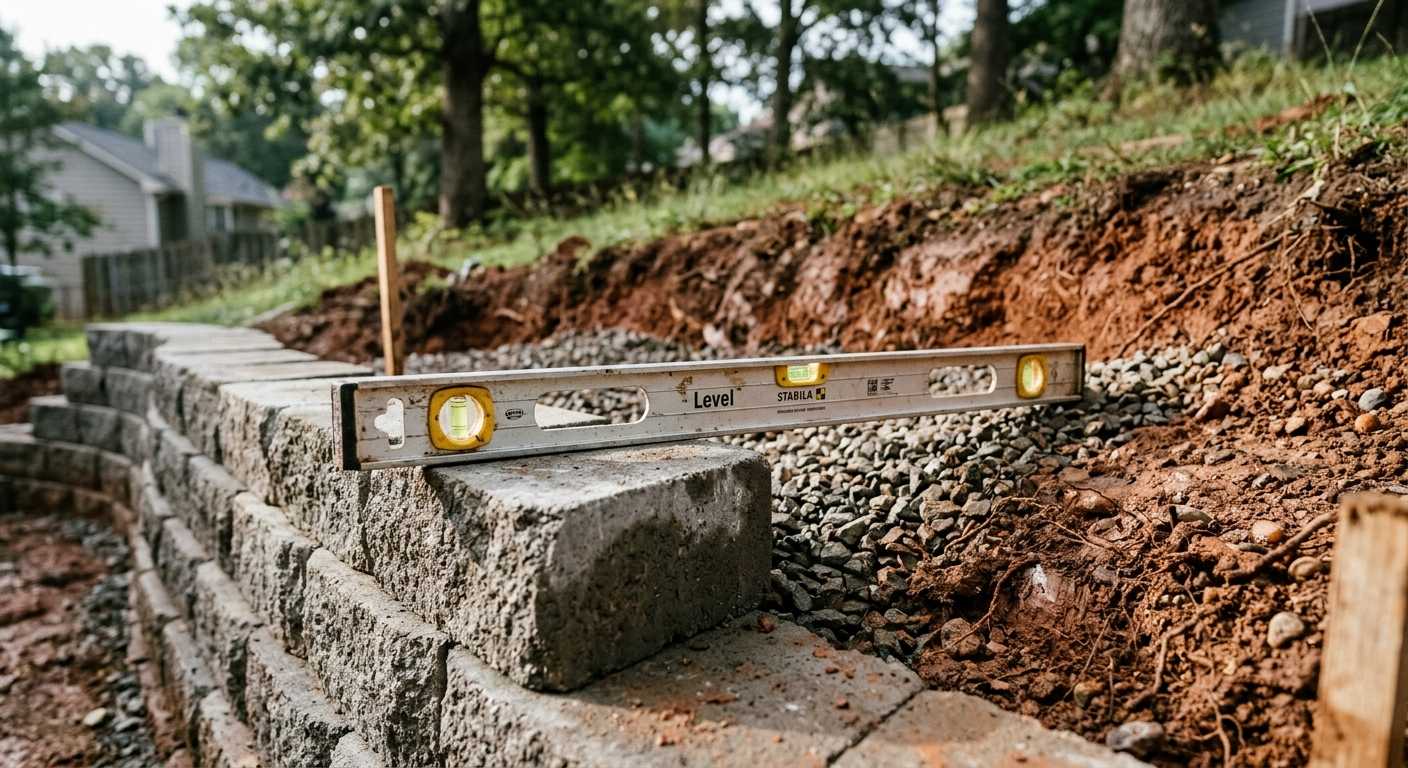
The primary reason retaining walls collapse in Central Alabama is a failure to account for expanding clay soil. Red clay acts like a sponge, absorbing water and expanding massively during heavy rains. When the weather dries out, the soil contracts, leaving dangerous voids behind the structure.
Contractors who skip soil analysis are simply guessing at your property's safety. We evaluate the moisture absorption rate and slope grade before recommending a block system. This technical data dictates the exact depth of the gravel foundation trenching and structural backfill required to stabilize the hillside.
Without this groundwork, even the most expensive luxury stone will eventually lean and crack. We design proper gravel backfill depths and geo-grid soil reinforcement based exclusively on this specific slope analysis.
2. Hidden Drainage Infrastructure Drives the Cost
Hydrostatic pressure from trapped water destroys more retaining walls than any other factor combined. We install heavy gravel backfill channels and perforated French drains to release this immense water weight safely away from the structure. Without this hidden infrastructure, early summer storm runoff turns the soil behind your wall into heavy mud.
We wrap our drainage trenches in commercial-grade filter fabric to prevent fine clay particles from clogging the gravel voids. For taller structures, we integrate Tensar geogrid mesh deep into the hillside. This heavy-duty reinforcement locks the Keystone or Allan Block facing units directly into the earth.
When comparing estimates, demand a clear explanation of the contractor's drainage protocols. A crew that focuses only on the visible blocks will leave your slope highly vulnerable to storm damage restoration services down the road.
3. The Four-Foot Engineering Threshold is Non-Negotiable
Any retaining wall exceeding four feet in height requires stamped structural engineering drawings to ensure absolute slope stability. We manage this entire structural planning and surveying process to protect your property from catastrophic failure. Many budget contractors bypass these critical engineering thresholds to offer a cheaper initial bid.
Building unengineered gravity walls over this height leaves you fully liable for future slope collapses. We verify official property line surveys before construction to ensure the excavation benching remains strictly within your boundaries. This structural verification becomes especially important when installing heavy privacy fences near the top of a steep grade.
Before we break ground, our team coordinates with Alabama 811 to mark all underground utilities. Excavating near property lines often uncovers buried gas lines or fiber-optic cables that dictate where the wall footings can safely go.
4. Material Selection Dictates the Structural Lifespan
Choosing the right building material determines how many decades your slope remains stable. Pressure-treated timbers offer a low upfront cost but rot within twenty years in our humid climate. We recommend engineered concrete blocks for the best price-to-lifespan ratio on severe slopes.
Comparing these options upfront saves you from replacing a failed barrier a decade from now. If you plan on building custom decks near a hillside, securing the earth with engineered concrete blocks protects those new footings. Dry-stacked natural stone provides unmatched luxury aesthetics for prominent front-yard borders.
| Material Option | Structural Lifespan | Upfront Cost Tier | Best Application |
|---|---|---|---|
| Pressure-Treated Timbers | 15 to 20 Years | Low ($) | Low garden borders and minor terracing under 3 feet. |
| Segmental Concrete Block | 50 to 100 Years | Medium ($$) | Heavy structural loads and high-erosion slopes. |
| Natural Stacked Stone | 75 to 100+ Years | High ($$$) | Premium landscape borders requiring luxury curb appeal. |
Key Factors That Influence Your Investment
Retaining wall pricing relies heavily on the excavation depth, material choice, and engineering requirements of your specific property. Slope terracing usually runs between $3,500 and $9,000 for standard residential applications. Heavy structural walls requiring geogrid mesh often exceed $12,000. Consider these primary cost drivers:
- Height and Earth Pressures: Taller walls retain exponential soil weight, requiring thicker base gravel and structural engineering fees.
- Excavation and Machinery Access: Steep hills require heavy excavators, while limited access yards demand manual labor that increases project duration.
- Soil Hauling and Grading: Clearing existing failed walls and hauling away excavated clay adds significant transportation costs.
Warning Signs Your Current Slope Protection is Failing
Identifying structural damage early allows us to retrofit drainage systems before the entire hillside collapses. Waiting for a total failure means paying heavy machinery fees to clear the debris before new construction begins. Look for these specific indicators on your property:
- Bowing faces pushing outward under the soil weight.
- Crumbling mortar joints washing away during rainstorms.
- Sinkholes forming behind the wall due to failed filter fabric.
- Cracked concrete blocks snapping under earth pressure.
Catching these symptoms early often saves you thousands of dollars in excavation fees. We frequently provide structural retaining wall repair by installing deep soil anchors to pull a leaning structure back into alignment.
Expert Field Note
During a recent site evaluation in Edgewood, we excavated behind a leaning railroad tie wall that lacked any gravel backfill. The wet Alabama clay sat directly against the wood, rotting the structural ties completely through. We replaced the entire boundary with an interlocking Allan Block system and proper weep holes, permanently securing the slope and reclaiming ten feet of usable backyard space.
Frequently Asked Questions
How tall can a retaining wall be without structural engineering?
Residential walls up to four feet tall typically bypass structural engineering requirements. Anything taller demands stamped engineering plans to ensure the hillside remains stable. We handle this entire engineering process for our clients.
Do retaining walls always need drainage pipes?
Yes. Hydrostatic pressure from trapped water causes almost all wall collapses in our area. Proper drainage systems featuring gravel trenches and perforated pipes remain mandatory for survival against heavy rains.
How much does a structural retaining wall cost in Homewood?
Pricing relies on the excavation depth, material choice, and engineering requirements. Slope terracing usually runs between $3,500 and $9,000. Heavy structural walls requiring geogrid mesh often exceed $12,000.
Can you repair a leaning retaining wall?
Sometimes. If the structure remains sound but suffers from poor drainage, we excavate behind it and install new drainage channels. Severely cracked blocks or rotted timbers always require full replacement.
Securing Your Homewood Property
Failing hardscaping threatens your property value and your family's safety. Address leaning or bulging walls before the next heavy rain cycle saturates the soil. Call our office this week to schedule a thorough site evaluation of your slope.
Ready to stop researching and get real answers?
If this article helped you spot a roofing, siding, or gutter issue, the next step is simple. Get honest guidance, a professional inspection, and a clear plan from the Patriot Roofing team.
Justin Johnson
Owner / Licensed Home Builder
Justin is the Co-Owner of Patriot Roofing & Builders and a Licensed Alabama Home Builder. With extensive experience in high-performance exterior systems and storm restoration, he brings a hands-on, technical perspective to every project across the Greater Birmingham area.
More About UsYou Might Also Like

Weep Holes vs Drains For Wet Clay Yards in Homewood, AL
