

Key Takeaways
- Granules are your roof's UV shield: Ceramic-coated mineral grit protects the underlying asphalt binder from baking and cracking in the Alabama sun.
- Bald spots mean accelerated decay: Once dark asphalt shows through the surface, shingles curl, turn brittle, and allow moisture to reach the wood decking.
- Upgrading protects historic character: Installing high-definition architectural shingles or standing-seam metal preserves curb appeal while delivering superior storm defense.
Need Roof Replacement in Homewood?
If you're looking for help in Homewood, visit our dedicated roof replacement page for local service details, project examples, and the next steps for your home.
How Granule Loss Shows Up on Jefferson County Roofs
Piles of dark, sandy grit washing out onto the concrete splash blocks at the bottom of your downspouts are the clearest warning that an asphalt roof is losing its protective skin. Homeowners often scoop this coarse sediment out of the troughs during late fall leaf clearing, assuming it is decomposed oak debris from the surrounding canopy. Some pay a handyman to blow out the channels and caulk a few exposed nail heads, hoping the problem goes away. When we climb up for a roof inspection in Homewood, we find the real source: sun-baked shingle tabs rubbed bare to the black asphalt mat, curled edges along the southern slope, and brittle fiberglass layers ready to crack under the next cold snap. Understanding why those ceramic granules detach is the only way to stop minor surface wear from turning into rotted roof decking.
Ceramic-coated mineral granules are not pressed into the shingle solely to give your home its color. They act as a physical heat shield that blocks ultraviolet rays from cooking the petroleum oils inside the asphalt binder. Without that mineral armor, the asphalt dries out rapidly, shrinks, and splits open.
Water then bypasses the top layer, saturating the underlayment and threatening the original wood planks underneath. Catching this wear pattern early gives you control over your budget and timeline before an active ceiling leak forces an emergency decision.
Why Older Roofs in Homewood Shed Their Protective Grit
Intense summer heat combined with poor attic airflow and heavy tree cover accelerates shingle granule loss across established Homewood neighborhoods. Many classic cottages and two-story brick homes built decades ago were designed with minimal soffit intake and restrictive gable vents. Heat gets trapped against the underside of the roof deck, baking the shingle mat from below while the sun beats down from above.
This thermal cycle expands and contracts the asphalt every single day. Over time, the binder loses its grip on the embedded ceramic stones, and normal rainstorms wash them straight down into your gutter system. We break down how to spot the deeper structural effects of this aging process in our guide on assessing roof decay when replacing shingles in Homewood, AL.
- Blistering from trapped attic heat: Superheated air beneath the decking causes microscopic gas bubbles to form and pop inside the asphalt, flinging granules off the surface.
- Tree branch abrasion and acidic moss: Low-hanging oak limbs scrape grit away in the wind, while shaded, damp roof planes grow moss whose root systems pry granules loose from the mat.
- Hail and wind-driven debris: Spring squalls pelt the roof slopes, bruising the fiberglass mat and knocking loose circular patches of protective stone that wash away during the next downpour.
- Natural end-of-life binder fatigue: Once a standard shingle roof reaches its late teens, the petroleum oils naturally oxidize, leaving the surface dry, powdery, and unable to hold onto its mineral coating.
Expert Field Note from Justin Johnson: Diagnostic Field Note (Justin Johnson): Steep valleys and dormers on early-century cottages funnel double the rainwater runoff of a flat gable slope. Whenever coarse mineral sediment piles up at a downspout base, the shingle cutouts bordering the valley metal and the slopes directly above unvented knee walls are almost always the first spots scrubbed down to bare black asphalt.
Telling Harmless Shedding Apart from Terminal Shingle Failure
Loose granules in your gutters immediately after a brand-new roof installation are normal, whereas bald, black spots across an older roof signal terminal material failure. Manufacturers embed extra granules into the surface during production to ensure complete coverage, and those surplus hitchhikers naturally rinse off during the first few rainstorms. That initial shedding stops quickly and leaves no bare asphalt behind.
True degradation looks completely different from the ground and the ladder. You will see uneven color patches where the top layer has worn thin, shiny black fiberglass threads glinting in the sunlight, or small craters where hail impacts have crushed the mat. When the loss is isolated to a single wind-damaged slope or around a leaking pipe boot, targeted residential roof repair in Homewood can swap out the compromised tabs and buy you several more years of service.
Widespread baldness across whole roof planes means repairs will no longer hold. Trying to slide a fresh shingle under an adjacent tab that has lost its granules and turned brittle causes the old shingle to snap right at the nail line. At that stage, putting money into spot patches wastes funds that belong toward a full system upgrade.
Premium Material Upgrades That Outlast Standard Shingles
Upgrading to high-definition architectural shingles or standing-seam metal gives high-value Homewood properties superior granule retention, deeper shadow lines, and decades of storm defense. Well-kept homes in established neighborhoods demand exterior materials that match their architectural pedigree while standing up to Central Alabama's heat and spring windstorms. Choosing an entry-level product to save a little upfront cash hurts curb appeal and puts you right back in the replacement cycle far too soon.
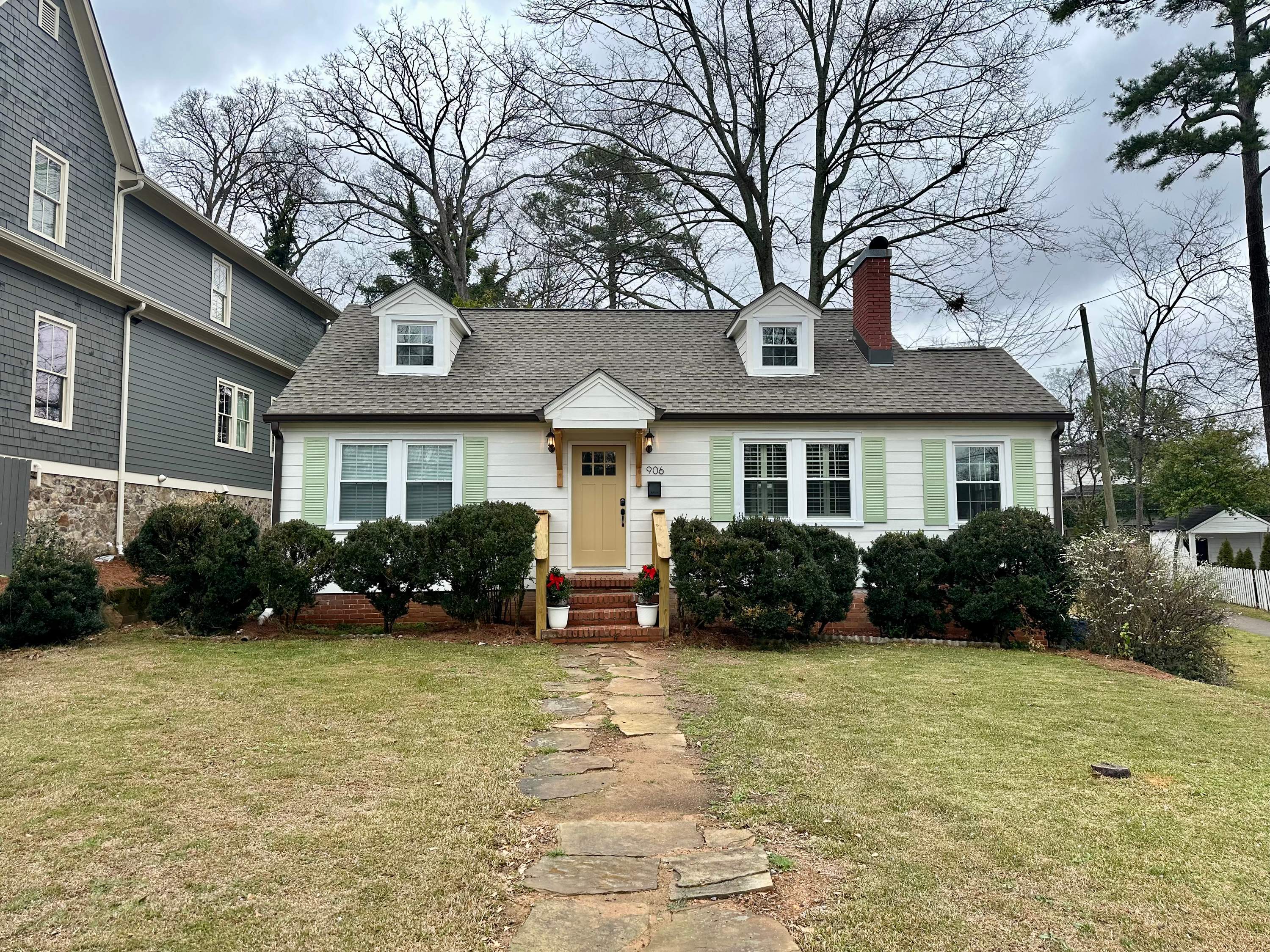
We install complete GAF roofing systems engineered to keep their protective surface intact under harsh conditions. You can explore how different material grades hold up over the decades in our comparison of which shingles last longest in Homewood, AL. We also completed a full exterior transformation in Edgewood where multi-toned gray architectural shingles were paired with new dark brown gutters and downspouts, crisp white horizontal siding, double-hung windows with upper grilles, and a custom rear deck.
| Roofing System | Typical Birmingham Metro Cost | Key Performance Advantage |
|---|---|---|
| GAF Timberline HDZ (Architectural) | $400 – $550 per square ($7,000 – $12,000 typical home) | LayerLock technology with StainGuard Plus algae protection for reliable curb appeal. |
| GAF Timberline UHDZ (Ultra-HD) | $550 – $700 per square ($10,000 – $15,000 typical home) | Thicker dual-layer profile, deeper shadow lines, and heavy granule density for historic homes. |
| Standing-Seam Metal Roofing | $15,000 – $25,000 total (typical home) | Concealed fasteners and solar heat reflection that eliminate granule loss entirely. |
Many homeowners also look closely at metal roofing in Homewood for low-slope porch transitions, dormer accents, or full-home installations. Because standing-seam metal relies on factory-applied baked enamel finishes rather than embedded mineral grit, you never have to worry about granule washout again.
What a Full Tear-Off and Replacement Costs in Homewood
Most homeowners pay between $7,000 and $15,000 for a complete shingle roof replacement, depending on roof complexity and whether they select standard architectural or ultra-high-definition designer profiles. Steep pitches, multiple dormers, chimney flashing details, and the tight lot logistics common on historic streets all influence the final investment. You can review the specific site factors that shape an estimate in our breakdown of why roof replacement costs vary in Homewood, AL, or run ballpark numbers for your square footage using our roofing cost calculator.
When we perform a residential roof replacement in Homewood, we never nail new shingles over old, granule-starved layers. Stripping the roof down to the bare wood decking is the only way to inspect older plank boards or OSB for hidden moisture rot, re-nail loose sheathing to the rafters, and correct the attic ventilation issues that baked your old shingles in the first place.
- Complete tear-off to bare wood: Removes heavy, heat-trapping layers of dead asphalt so the structural rafters are not overloaded.
- Decking and fascia inspection: Exposes soft wood along the eaves where gritty, clogged gutters may have backed water up under the starter strip.
- Balanced intake and ridge ventilation: Drops summer attic temperatures so your new GAF shingles keep their oils and hold onto their granules for decades.
- Upgraded ice and water shield: Seals vulnerable valleys, skylights, and chimney bases against wind-driven rain before the new shingles go down.
Frequently Asked Questions
How do I know if my shingle granule loss is normal or a sign of failure?
Check the surface of the shingles themselves, not just the gutter troughs. If your roof is less than a year old and the shingle tabs still look fully covered and uniform in color, the grit in your downspouts is normal excess shedding; if you see smooth black asphalt spots, curled edges, or shiny fiberglass threads on an older roof, the protective layer has failed.
Can I seal or paint over shingles that have lost their granules?
No, applying liquid sealants, elastomeric coatings, or roof paint over aging asphalt shingles traps moisture inside the roof deck and voids manufacturer warranties. Once the ceramic granules wash away and the asphalt binder turns brittle, the only reliable fix is replacing the damaged shingles with new material.
Does homeowners insurance cover shingle granule loss in Alabama?
Insurance policies typically cover granule loss only when it is the direct result of sudden storm damage, such as hail impacts or fallen tree limbs bruising the shingle mat. Gradual granule shedding caused by age, sun exposure, or poor attic ventilation is classified as normal wear and tear and remains the homeowner's responsibility, though our team can inspect your slopes during storm damage restoration in Homewood to document whether hail played a role.
How much does it cost to upgrade to GAF Timberline UHDZ shingles?
Upgrading to premium designer or GAF Timberline UHDZ shingles typically costs between $550 and $700 per square, or roughly $10,000 to $15,000 for a standard-sized home. That modest step up from standard architectural shingles delivers a heavier mat, deeper shadow lines that suit established neighborhoods, and enhanced warranty coverage through a GAF Certified Plus installer.
Protecting Your Roof Deck Before Winter Rains Arrive
Neglecting exposed roof decking allows trapped moisture to trigger widespread mold growth and structural sagging that far exceeds the price of a simple shingle replacement. Addressing these vulnerabilities now prevents the rapid escalation from a surface repair to a total interior overhaul. Request a comprehensive roof evaluation to identify hidden saturation points across your Homewood home.
Ready to stop researching and get real answers?
If this article helped you spot a roofing, siding, or gutter issue, the next step is simple. Get honest guidance, a professional inspection, and a clear plan from the Patriot Roofing team.
Justin Johnson
Owner / Licensed Home Builder
Justin is the Co-Owner of Patriot Roofing & Builders and a Licensed Alabama Home Builder. With extensive experience in high-performance exterior systems and storm restoration, he brings a hands-on, technical perspective to every project across the Greater Birmingham area.
More About UsRoof Replacement in Homewood
You Might Also Like

Tallying Materials and Pricing Roofs in Birmingham, AL
