Key Takeaways
- Buckled or wavy vinyl panels break your home's weather seal, allowing Central Alabama humidity and wind-driven rain directly into the wall cavity.
- Most contractor callbacks for warped vinyl trace back to installers nailing panels too tightly against the sheathing instead of leaving space for thermal movement.
- Homeowners in Birmingham typically pay $150 to $400 for a minor vinyl patch, $8,000 to $16,000 for full vinyl replacement, or $20,000 to $35,000 to upgrade to heat-stable James Hardie fiber cement.
Need Siding Installation in Birmingham?
If you're looking for help in Birmingham, visit our dedicated siding installation page for local service details, project examples, and the next steps for your home.
Why Buckled Panels Across Jefferson & Shelby Counties Are More Than Cosmetic
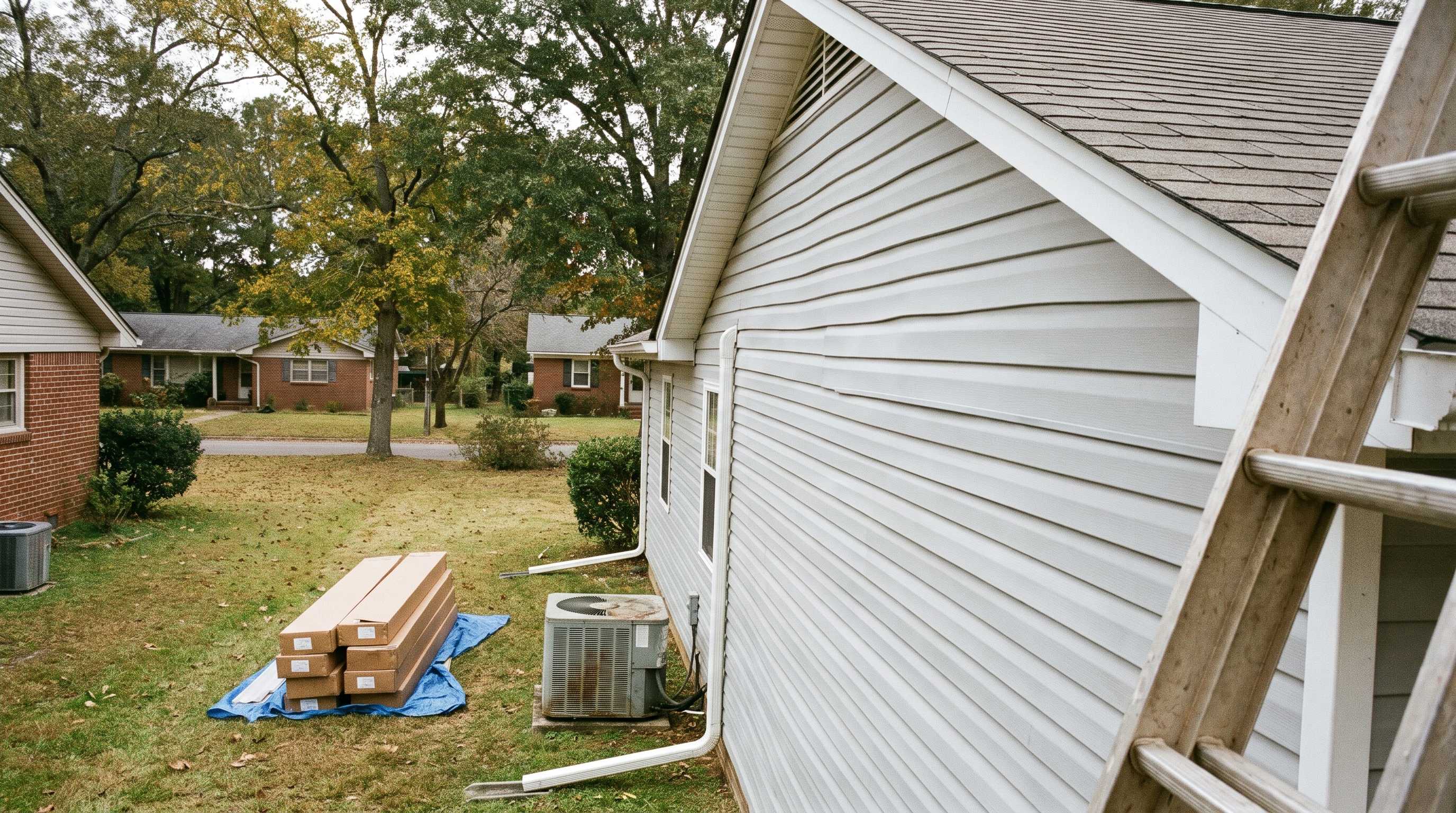
Ignoring heat-warped vinyl siding on your home allows wind-driven rain and thick Southern humidity to bypass your exterior cladding and rot the wood framing underneath. Many homeowners look at a wavy, rippled wall on the sunny side of their house and assume the damage is purely cosmetic. Once a vinyl panel distorts from heat, its bottom lock separates from the course below it, opening a direct pathway for water intrusion.
We have completed hundreds of exterior projects across the Birmingham metro over the years, and we routinely pull back heat-buckled vinyl only to find damp, crumbling wall sheathing behind it. While we covered the science of why summer heat warps siding in Birmingham in a previous article, the bigger issue we see as a contractor is how long homeowners wait to address those ripples. Mid-fall is the ideal window to walk your property and inspect your walls while temperatures are mild and before winter rains set in.
Partnering with experienced residential siding contractors in Birmingham ensures you get an honest assessment of whether those warped boards are still shedding water or silently feeding mold inside your wall cavities. Stepping out onto your front lawn and seeing straight, shadow-true lap lines across every wall brings immediate peace of mind that your family's investment is sealed tight against the elements.
4 Overlooked Realities About Heat-Damaged Vinyl
Understanding why vinyl fails in Central Alabama requires looking past standard manufacturer brochures and examining how panels behave on real walls. Most contractors will not walk you through the installation shortcuts or local environmental triggers that ruin standard cladding. Keep these four practical realities in mind when evaluating wavy siding on your home:
- Pinned nails cause more warping than the sun alone: Vinyl siding is designed to hang loosely on fastener shafts so it can expand and contract through daily temperature swings. When a crew drives nails tight against the nailing hem, the trapped panel has nowhere to go when it heats up except outward in a permanent wave.
- Low-E window reflections act like magnifying glasses: Modern energy-efficient glass reflects intense solar heat back onto adjacent walls or neighboring houses. If that concentrated reflection hits standard builder-grade vinyl, surface temperatures spike past the material's distortion point in a single afternoon.
- Unpopped locks invite pests and moisture: A warped panel cannot hold tension along its bottom clip. Wasps, carpenter ants, and blowing rain slip right behind loose courses, attacking the house wrap and structural studs out of sight.
- Dark paint voids vinyl warranties and accelerates buckling: Homeowners sometimes paint faded light-colored vinyl a trendy dark gray or navy without realizing standard PVC substrates cannot handle the extra heat absorption. Unless the panel was factory-engineered with heat-reflective pigments, dark colors will warp the profile.
When we inspect older homes in Hoover or Vestavia Hills, we check whether the distortion comes from tight nailing or localized heat reflection before recommending a fix. Replacing a few melted boards without solving the underlying cause means you will pay for the same repair twice.
How to Inspect Your Walls and Spot Hidden Substrate Damage
Pressing firmly against wavy vinyl panels by hand reveals whether the cladding is still sliding freely on its fasteners or binding against swollen, water-damaged sheathing. Walk around your house on a cool morning and look down the length of your southern and western walls from an angle. Any ripples that remain bowed out after the sun goes down indicate permanent heat deformation rather than temporary afternoon expansion.
- Gapping at J-channels and corners: Look where horizontal boards meet vertical corner posts or window trim; panels that have shrunk or warped out of their tracks leave raw wall sheathing exposed.
- Brittle or chalky surface texture: Run your palm across the face of the board; heavy chalking or hairline cracks mean years of UV exposure have baked the plasticizers out of the vinyl.
- Staining along the foundation wall: Rusty or dark brown streaks dripping from the bottom starter strip often signal that rainwater is running behind the siding and corroding the fasteners inside.
- Soft spots around windows and chimneys: Push gently on the panels directly beneath window sills and along the chimney chase to feel for spongy, rotted OSB underneath.
Expert Field Note from Justin Johnson: , Co-Owner: On ranch and split-level homes across Jefferson and Shelby Counties, the worst hidden wall rot almost always sits right where a lower roof slope meets a second-story vinyl wall. Installers pin the bottom siding course too close to the metal step flashing, the radiant heat off the shingles warps the vinyl outward, and runoff pours straight behind the J-channel into the framing.
If your inspection turns up soft sheathing near a roof-to-wall transition, you may also need targeted roof repair in Birmingham to replace corroded step flashing at the same time. Addressing the metal flashing and the warped cladding together seals the envelope permanently.
Comparing Repair vs. Upgrading to Heat-Stable Cladding
Choosing between a localized vinyl patch and a full upgrade to insulated vinyl or James Hardie fiber cement comes down to how many walls are affected and how long you plan to stay in the home. Our crews have finished dozens of exterior projects across the greater Birmingham area in just the last few months, helping homeowners weigh immediate repair budgets against long-term durability. For a deeper look at square-foot math across different home styles, check out our guide on what is the average cost of siding in Birmingham, AL.
| Solution | Typical Birmingham Cost | Heat & Weather Performance |
|---|---|---|
| Minor Vinyl Patch or Section Replacement | $150 – $400 (minor patch) $500 – $1,500 (section replacement) |
Restores the moisture seal on isolated walls; new boards may slightly mismatch faded surrounding courses. |
| Full Vinyl Siding Replacement ($4 – $8 / sq ft) | $8,000 – $16,000 total for a typical home | Fresh house wrap and properly gapped premium or insulated vinyl resist wind and normal solar heat. |
| Engineered Wood Siding ($7 – $12 / sq ft) | $14,000 – $24,000 total for a typical home | Real wood grain appearance with resin-treated stability that will not melt from window glare. |
| James Hardie Fiber Cement ($10 – $16 / sq ft) | $20,000 – $35,000 total for a typical home | Class A non-combustible material that never warps, melts, or rots under intense Alabama heat and humidity. |
When homeowners want to eliminate heat distortion forever, we install James Hardie fiber cement siding. We completed a recent full exterior renovation in Birmingham's Forest Park neighborhood where white horizontal lap siding was installed along the dormers and upper walls to contrast with dark-painted window trim and fascia, paired with brown architectural shingle roofing and tight black metal chimney flashing. For homeowners balancing a larger upgrade with their household budget, we also provide flexible financing options to spread out the investment.
Frequently Asked Questions
Can you flatten warped vinyl siding without replacing it?
No, once vinyl siding has stretched or buckled beyond its heat distortion threshold, the plastic retains a permanent memory of that wave and cannot be flattened with a heat gun. If a panel is only slightly bowed because a nail was driven too tightly, a siding installation in Birmingham specialist can unzip the panel and back the nail out slightly, but heat-creased boards must be replaced.
How much does siding repair in Birmingham, AL typically cost?
Repairing a minor vinyl blemish with a few replacement boards typically costs between $150 and $400, whereas rebuilding a full wall section runs $500 to $1,500 when underlying sheathing needs attention. Large fiber-cement repairs requiring multi-section tear-out and color matching typically fall between $2,500 and $6,500.
Does James Hardie siding warp in Alabama summer heat?
James Hardie fiber cement siding is composed of Portland cement, sand, and cellulose fibers, meaning it will never melt, warp, or buckle from direct sunlight, grill heat, or Low-E window glare. It holds a Class A non-combustible fire rating and maintains its dimensional stability through extreme temperature swings.
Should I replace warped siding at the same time as my windows?
Pairing cladding work with energy-efficient window replacement allows the crew to integrate new window flashing tape directly with your house wrap and J-channels. Coordinating both upgrades prevents water leaks around the window perimeter and ensures you know ahead of time if new Low-E glass will reflect heat onto adjacent vinyl walls.
What Waiting Costs Your Home's Framing
Leaving a few heat-buckled vinyl boards unaddressed through a wet Alabama winter turns a routine $150 to $400 minor patch into a $500 to $1,500 section rebuild once water rots the wall sheathing and framing studs behind the gap. Check the sunny sides of your house to see whether your horizontal lap locks sit flat against the wall, then book a free siding consultation with us to lock out moisture before winter rains arrive.
Ready to stop researching and get real answers?
If this article helped you spot a roofing, siding, or gutter issue, the next step is simple. Get honest guidance, a professional inspection, and a clear plan from the Patriot Roofing team.
Justin Johnson
Owner / Licensed Home Builder
Justin is the Co-Owner of Patriot Roofing & Builders and a Licensed Alabama Home Builder. With extensive experience in high-performance exterior systems and storm restoration, he brings a hands-on, technical perspective to every project across the Greater Birmingham area.
More About UsSiding Installation in Birmingham

You Might Also Like
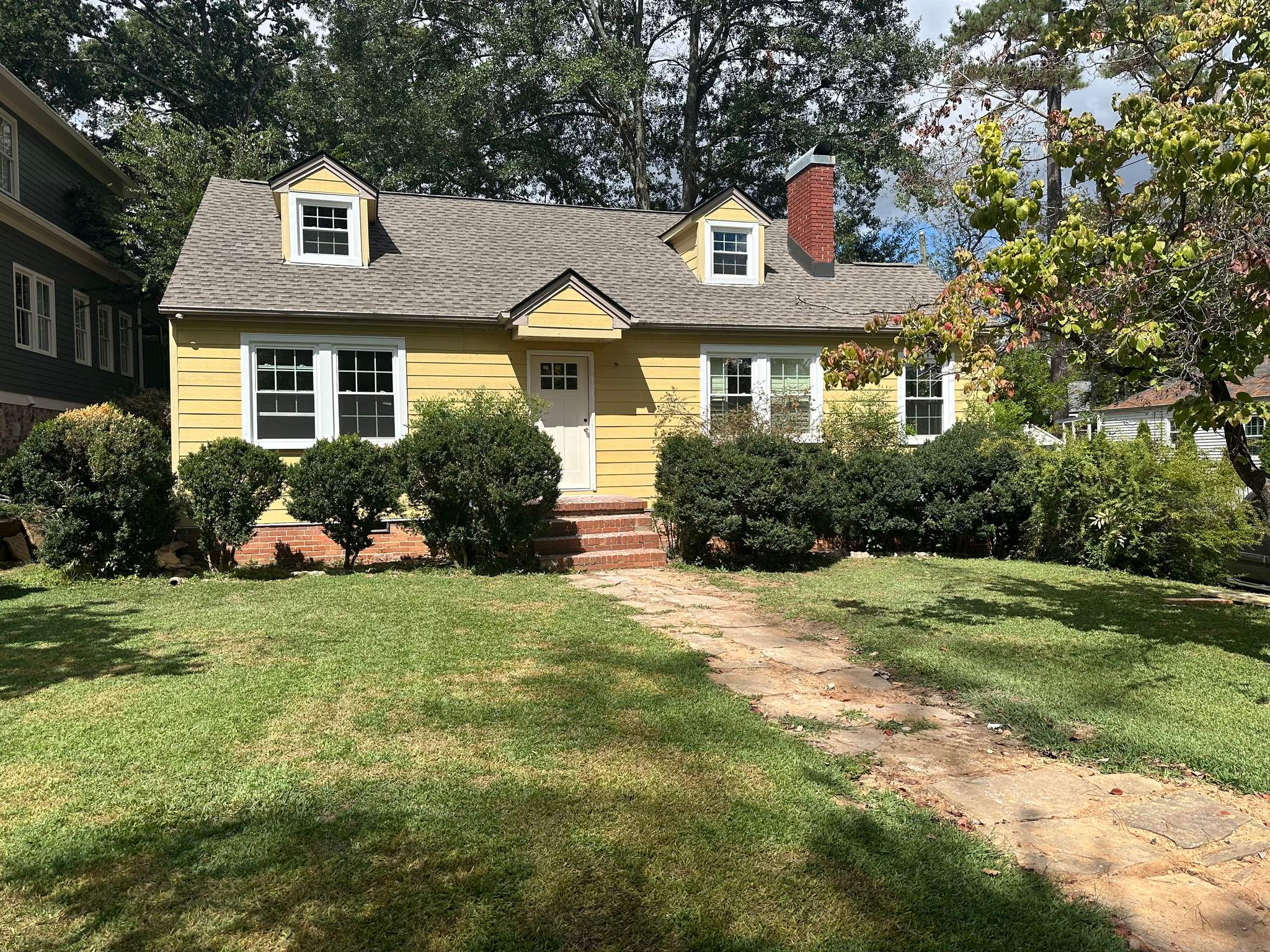
What Is the Average Cost of Siding in Birmingham, AL?