
Key Takeaways
- Hidden rot often lurks behind paint and aluminum cladding, requiring careful physical inspection before window replacement.
- Birmingham's intense summer humidity and heavy seasonal rains accelerate wood decay in older single-pane window frames.
- Upgrading to modern vinyl or fiberglass windows eliminates the risk of future rot while cutting cooling costs.
Need Window Replacement in Birmingham?
If you're looking for help in Birmingham, visit our dedicated window replacement page for local service details, project examples, and the next steps for your home.
The Reality of Wood Rot in Jefferson & Shelby County Window Frames
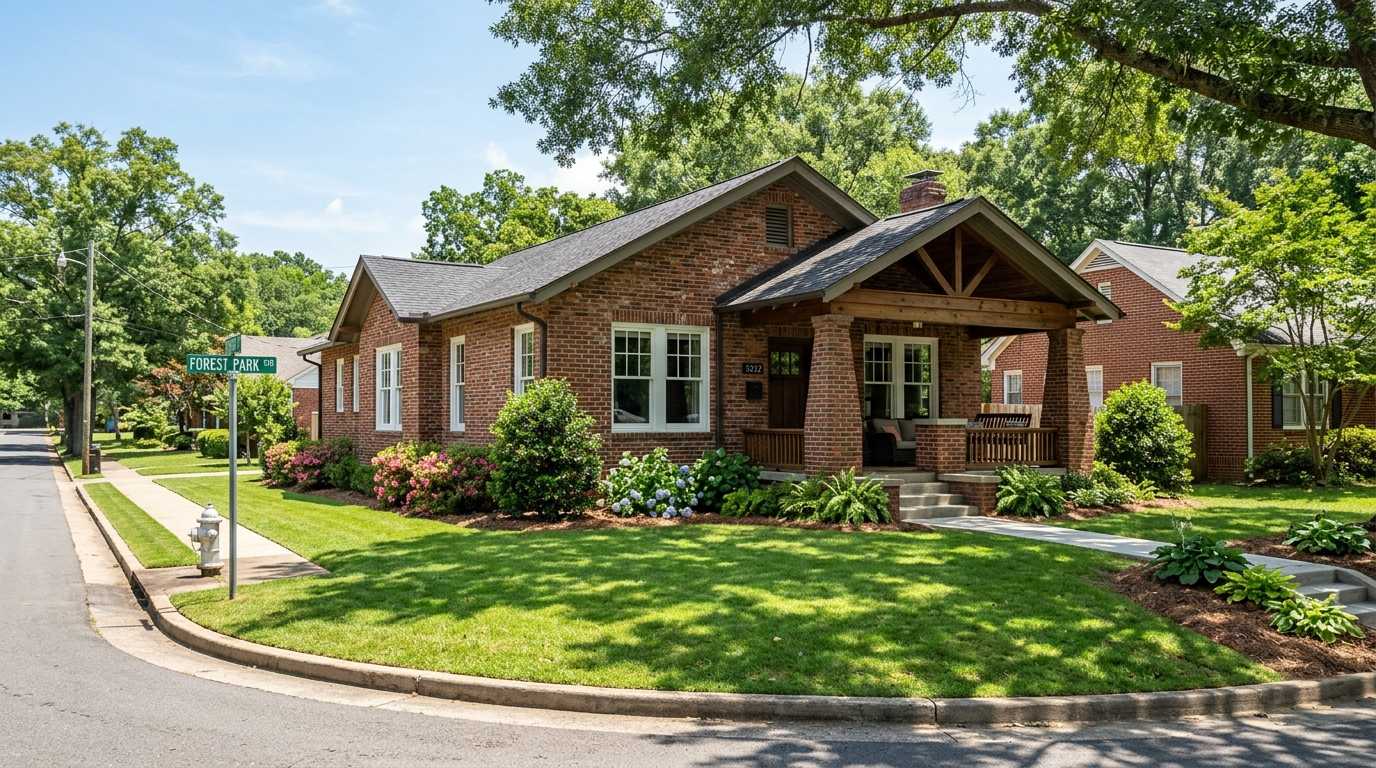
Hidden wood rot is a silent structural threat that frequently compromises the integrity of older homes before any visible signs appear on the surface. Many homeowners in neighborhoods like Forest Park and Glen Iris assume their windows are in stable condition because the exterior paint looks intact. Water regularly finds its way into the smallest cracks in exterior caulking, trapping moisture against raw wood framing.
Over time, this trapped moisture breaks down the wood fibers, creating soft spots that compromise the entire window frame. When performing a window replacement in Birmingham, we often discover that what looked like a minor cosmetic issue is actually a structural failure. Addressing this rot early prevents water from seeping into your wall cavities and damaging your home's framing.
Our team has completed hundreds of exterior projects across local neighborhoods, and we routinely find structural decay hidden behind old window trims. Ignoring soft wood around your sashes leads to larger, more expensive repairs down the road, including damage to your interior drywall and structural studs.
How to Identify Hidden Wood Rot Around Your Windows
Detecting hidden wood rot requires a systematic physical inspection rather than a simple visual check. You can often locate soft spots by gently pressing a flathead screwdriver against the wood sill, sash, and exterior brickmould. Healthy wood resists pressure, while rotted wood yields easily or crumbles under light force during home window replacement evaluations.
Look closely for these common indicators of moisture damage around your window openings:
- Peeling, bubbling, or cracking paint along the bottom sash or sill.
- Condensation or fogging between dual-pane glass, indicating a broken seal.
- Difficult operation, such as sashes that stick or refuse to slide smoothly.
- A persistent musty odor near the window frame, especially after afternoon rainstorms.
If your windows are wrapped in aluminum cladding, detection becomes even more difficult. Water can seep behind the metal casing through failing caulk lines, rotting the wood frame from the inside out while the exterior looks perfectly fine.
Expert Field Note: On older properties in Glen Iris or Norwood, thick layers of paint often trap moisture inside the structural sills. Tapping the wood with a screwdriver handle and hearing a dull, hollow thud instead of a sharp click indicates that the internal wood fibers have already decayed.
Birmingham Climate Challenges: Why Windows Rot Faster in Alabama
The combination of high relative humidity, intense summer heat, and heavy seasonal precipitation accelerates wood decay in Central Alabama. Fungi thrive in temperatures between 70 and 90 degrees Fahrenheit when wood moisture content exceeds 20 percent. Our extended warm season gives these destructive organisms nearly nine months of ideal growing conditions, forcing homeowners to seek highly durable replacement windows.
This climate presents two distinct trade-offs that homeowners must navigate when choosing window materials:
- The Wood-Clad Trade-Off: Wood-clad windows offer beautiful interior aesthetics, but the exterior wood components require meticulous, ongoing maintenance. If the exterior paint or protective cladding fails, our high humidity will rot the underlying wood much faster than it would in drier climates.
- The Seal Longevity Trade-Off: Rapid thermal cycling occurs when a 95-degree afternoon is suddenly cooled by a heavy summer downpour. This rapid temperature drop causes materials to contract quickly, stressing window seals and leading to premature seal failure.
When frames rot, they lose their thermal efficiency and allow drafts to bypass the insulated glass. Upgrading to modern vinyl or fiberglass frames stops this cycle entirely, as these materials do not absorb moisture or support fungal growth.
Repairing vs. Replacing Rotted Windows: A Cost Comparison
Deciding whether to repair a damaged frame or invest in a full replacement depends entirely on the depth and location of the wood decay. Minor surface rot on a window sill can occasionally be carved out and filled with epoxy, but structural rot in the jambs or sashes requires replacing the unit. Doing a cheap patch job on a structurally failing frame usually means paying for a full replacement just a few years later.
The table below outlines the typical costs for window repairs and replacements in the Birmingham metro area:
| Service Option | Typical Cost Range | Best For |
|---|---|---|
| Reseal / Hardware / Sash Balance | $100 – $250 per window | Sticking sashes or drafty frames with zero rot |
| Glass / IGU Replacement | $250 – $500 per window | Broken glass or failed seals in solid frames |
| Sash or Frame Rebuild | $600 – $900 per window | Minor localized rot in historical wood windows |
| Vinyl Double-Hung Replacement | $450 – $1,000 per window | Budget-friendly, low-maintenance thermal upgrade |
| Fiberglass Replacement | $800 – $1,500 per window | Premium durability and slim profiles |
| Wood-Clad Replacement | $1,200 – $2,500+ per window | Historic preservation and high-end aesthetics |
For a broader project, most homeowners pay between $2,000 – $5,000 total for 3 to 5 windows, while a mid-sized project of 8 to 12 windows typically ranges from $5,500 – $12,000 total. A full home replacement involving 15 to 25 windows generally costs between $10,000 – $25,000+ total. You can use our window replacement cost calculator to estimate your specific project needs.
The Step-by-Step Window Replacement Process for Water-Damaged Openings
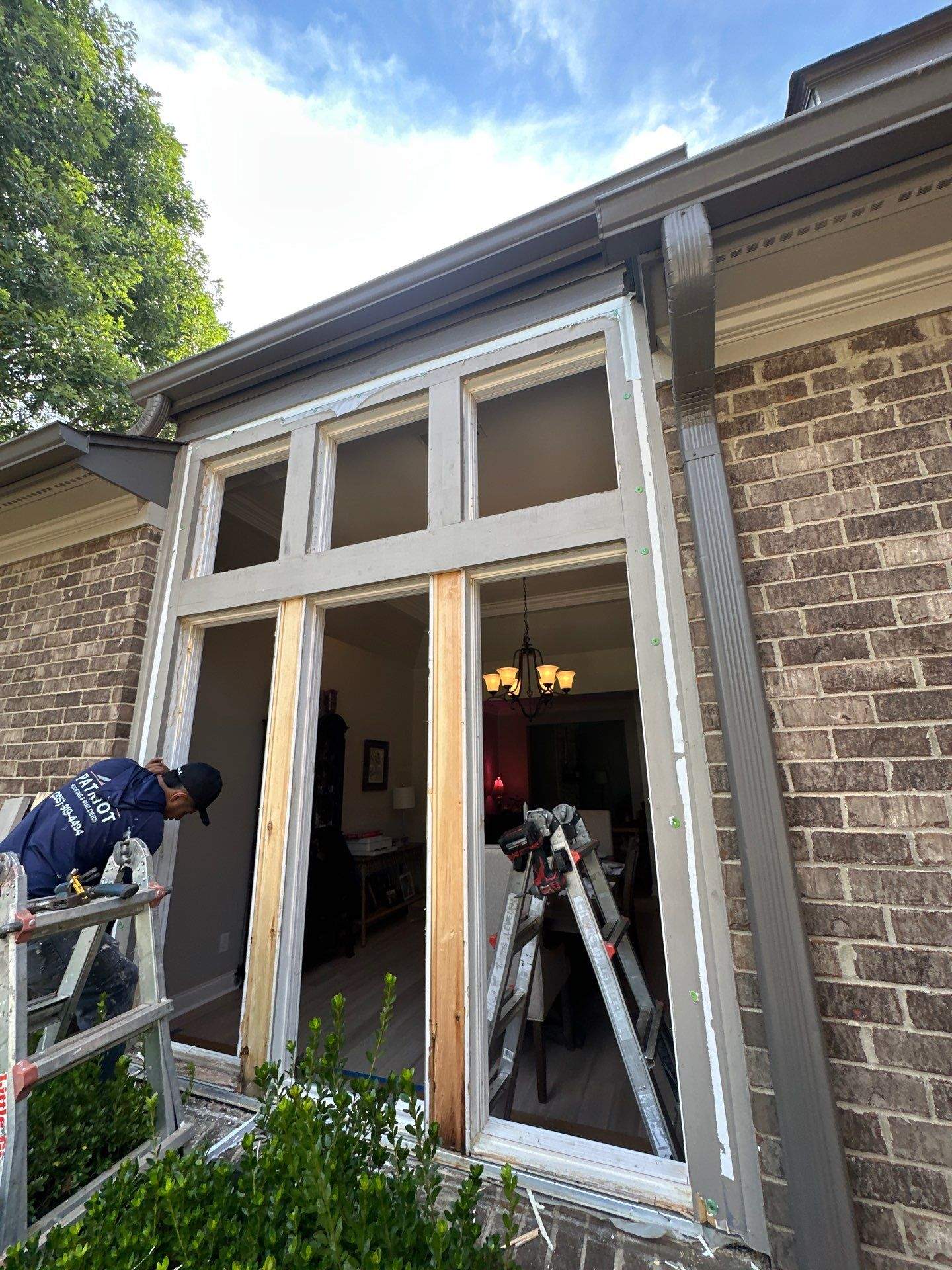
Replacing a window with structural rot requires removing all damaged wood and restoring the rough opening before installing the new unit. If a contractor ignores the surrounding damp wood, the rot will continue to spread into your wall cavity, eventually affecting your home's structural studs and siding.
A proper installation process for a water-damaged opening follows these critical steps:
- Complete Extraction: Removing the old window sashes, frame, and exterior trim to expose the raw rough opening.
- Damage Assessment: Inspecting the exposed studs, sill plate, and sheathing for any signs of soft or decaying wood.
- Structural Remediation: Cutting out and replacing any rotted framing with fresh lumber to restore structural integrity.
- Advanced Flashing: Applying high-grade flashing tape over the sill and up the jambs to create an unbroken water barrier.
- Precision Installation: Setting the new window, ensuring it is level, shimmed, insulated with low-expansion foam, and sealed.
This thorough approach ensures your new windows perform flawlessly for decades. If you are planning multiple home upgrades, coordinating this work alongside a roof replacement in Birmingham or with residential siding contractors in Birmingham can help establish an unbroken weather barrier around your entire home. Many homeowners use flexible financing options to tackle these overlapping exterior upgrades together.
Frequently Asked Questions
How do I know if wood rot has spread behind my siding?
Look for soft spots, warping, or discoloration along the siding directly beneath your window sill. If the wood framing inside your home feels soft or your interior drywall shows water stains, the rot has likely penetrated deep behind your exterior cladding.
Can I just paint over rotted window wood to seal it?
Painting over rotted wood will not stop the decay and actually traps moisture inside, accelerating the rotting process. Fungi will continue to eat away at the wood fibers underneath the paint layer until the frame structurally fails.
Is it better to choose vinyl or wood-clad windows to prevent future rot?
Vinyl and fiberglass windows are completely immune to rot, making them the best choice for Alabama's humid climate. While wood-clad windows offer classic interior beauty, they still contain wood components that require regular maintenance to prevent moisture intrusion.
How long does it take to replace a rotted window frame?
A standard window replacement takes about two to three hours, but repairing hidden structural rot in the rough opening can add one to two hours per window. Most full-home installations are completed within two days, including all structural repairs.
Protecting Your Birmingham Home From Future Rot
Preventing rot starts with choosing the right materials and ensuring they are installed with proper flashing and sealing techniques. Modern vinyl and fiberglass windows, like the Norandex and Wincore lines we install, eliminate the vulnerability of wood entirely, giving you peace of mind during our heavy spring and summer storms.
Do you notice any soft spots or peeling paint along your window sills when you open them to let in a breeze? Schedule a professional inspection to get an honest assessment of your window frames.
Ready to stop researching and get real answers?
If this article helped you spot a roofing, siding, or gutter issue, the next step is simple. Get honest guidance, a professional inspection, and a clear plan from the Patriot Roofing team.
Justin Johnson
Owner / Licensed Home Builder
Justin is the Co-Owner of Patriot Roofing & Builders and a Licensed Alabama Home Builder. With extensive experience in high-performance exterior systems and storm restoration, he brings a hands-on, technical perspective to every project across the Greater Birmingham area.
More About UsYou Might Also Like
3 Things Driving Your Window Replacement Cost in Birmingham