
Key Takeaways
- Minor isolated fence damage like a loose gate hinge or single snapped post typically costs between $120 and $400 to repair in Jefferson County.
- When structural damage affects more than 20 to 30 percent of your perimeter run, investing in complete replacement offers a significantly higher long-term return on investment than compounding spot fixes.
- Heavy clay soil and dense tree canopies in historic Homewood neighborhoods accelerate ground-line rot, making steel post upgrades like PostMaster a permanent solution for sloping yards.
Need Privacy Fences in Homewood?
If you're looking for help in Homewood, visit our dedicated privacy fences page for local service details, project examples, and the next steps for your home.
Evaluating Fence Repairs in Homewood, Alabama Neighborhoods
Deciding whether to patch an existing boundary fence or replace it completely depends on structural stability, neighborhood curb appeal standards, and cumulative material decay. In walkable communities like Edgewood, Hollywood, and West Homewood, property lines sit close to neighboring structures. A leaning or decaying privacy fence immediately impacts the architectural character and market valuation of your lot. Homeowners on tight, historic lots must weigh short-term repair bills against the long-term structural integrity of their entire boundary line.
Mid-fall brings cooler temperatures that make outdoor structural assessments easier before heavy winter rains set in. Shaded backyards near Lakeshore Trail or Mayfair experience high moisture retention during autumn, which quickly highlights existing wood rot at ground level. If your fence line protects a significant property investment, evaluating structural thresholds ensures you do not waste money on temporary surface repairs.
For property owners coordinating broader exterior updates, integrating perimeter improvements with hardscaping or a custom deck project keeps architectural finishes cohesive. We frequently see homeowners combine boundary work with retaining walls in Homewood to manage sloped clay backyards effectively. When minor fence issues begin compounding year after year, establishing a firm financial repair threshold saves thousands in deferred maintenance costs.
The Financial Threshold: Repair vs. Replacement Cost Analysis
A fence repair makes clear financial sense when structural damage remains isolated to under 20 percent of the total run and replacement costs would far exceed the remaining value of the structure. For minor issues like resetting a single leaning post or swapping out a damaged section, most homeowners pay between $120 and $400 for standard fixes. When addressing several posts, sagging gates, and localized rot remediation, total repair bills typically range from $300 to $900.
However, once repairs required for long-run sections reach $1,000 to $2,000+, spending that money on an aging structure becomes counterproductive. A full installation of Western red cedar runs $22 to $32 per linear foot, while premium vinyl costs $30 to $45 per linear foot. If your standard 200-linear-foot yard requires frequent piecemeal repairs, putting that money toward a new $4,000 to $9,500 installation backed by a full warranty delivers vastly superior property value.
| Project Scope | Typical Cost Range | Best Recommended Approach |
|---|---|---|
| Single Post or Panel Fix | $120 – $400 | Targeted structural repair if adjacent pickets are sound |
| Multiple Posts & Rot Remediation | $300 – $900 | Repair if structural framing remains straight and dry |
| Extensive Section Overhaul | $1,000 – $2,000+ | Replace total run; repair yields low financial return |
| Standard Yard Full Installation (200 lf) | $4,000 – $9,500 | Complete replacement with pressure-treated, cedar, or vinyl |
We covered extended material pricing breakdowns in detail in our Homewood fence cost guide, but recognizing these financial tipping points prevents homeowners from throwing good money after bad.
Homewood Soil and Shade: Two Local Trade-Offs That Accelerate Rot
Central Alabama clay soil and dense oak tree canopies represent two primary environmental forces that dictate whether a fence can be saved or must be rebuilt. Homewood's expansive red clay holds water like a sponge during seasonal rains, expanding in wet months and shrinking during summer droughts. This constant soil movement exerts tremendous lateral pressure on buried concrete footings, causing older wooden posts embedded without adequate base gravel to snap at the ground line.
The second trade-off involves heavy shade coverage near Mayfair and Shades Creek. While mature oaks provide incredible neighborhood charm, their deep shade slows evaporation after rainstorms. Pressure-treated pine pickets situated in perpetual shade trap surface moisture against the rails, leading to premature fungal decay. On sloped terrain, using pre-made panels often exacerbates this issue because forced soil contact accelerates rot along the bottom edge, as explained in our article on pre-made fence panel performance.
Expert Field Note from Justin Johnson: On older Homewood properties with mature tree canopies, 90 percent of wood fence failures occur within two inches of the ground line. The pickets higher up usually look fine, which tricks homeowners into thinking a simple bracket repair will fix a leaning section. If the wood crumbles under a screwdriver tap at soil level, the structural footing has failed and spot-fixing upper rails will not hold.
Upgrading to galvanized PostMaster steel posts or installing high-durability privacy fences in Homewood eliminates ground-line rot entirely while preserving natural wood picket aesthetics.
Structural Warning Signs That Signal Total Fence Failure
Identifying structural failure early helps homeowners determine if a simple post replacement suffices or if an entire section needs reconstruction. Beyond visible cosmetic weathering, physical movement in the framing indicates that internal structural support has broken down completely.
- Leaning post lines: A series of three or more adjacent leaning posts indicates widespread footing detachment in expansive clay soil.
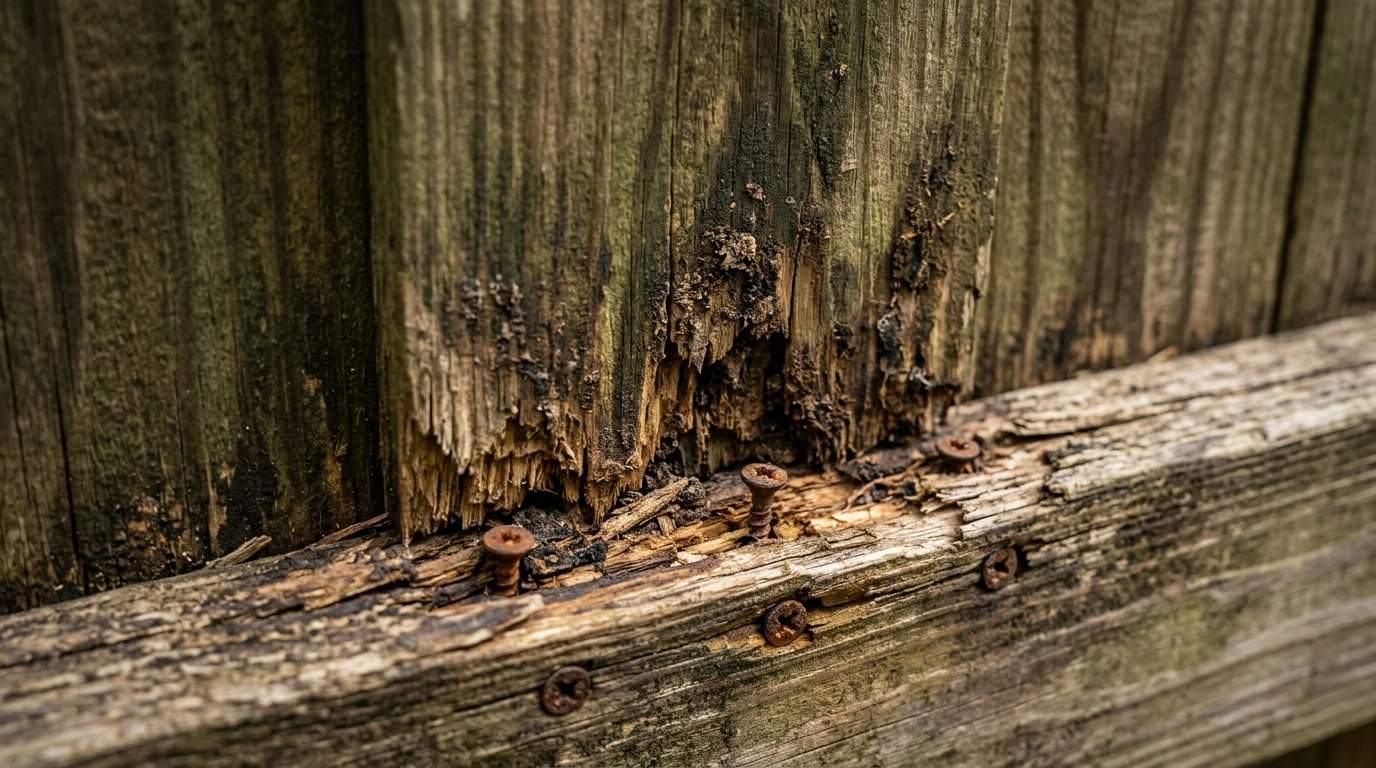
- Ground-level wood disintegration: Soft, spongy wood near the soil line signals advanced fungal rot that weakens the core post structure.
- Gate frame racking: Double driveway or walk gates that drag across the ground despite hinge adjustments usually point to decaying gate post support footings.
- Fastener rust stains and pulling: Dark streaks around nail heads show that internal wood grain has softened and can no longer grip metal fasteners tightly.
- Continuous panel sagging: Horizontal back rails bowing downward under their own weight require full replacement rather than simple reinforcement brackets.
Addressing these issues before they cause total section collapse protects adjacent property boundaries. We often notice these structural failures when handling comprehensive exterior updates, such as during a recent full exterior renovation in Edgewood where custom deck framing and perimeter enclosures needed unified alignment.
Frequently Asked Questions
How much does a typical fence repair cost in Homewood?
Most isolated repairs, such as resetting a single post or replacing a damaged gate latch, typically cost between $120 and $400. If your repair involves replacing multiple decayed posts along with localized rot remediation, overall costs usually range from $300 to $900.
When should I replace my privacy fence instead of repairing it?
You should replace your fence when structural damage impacts more than 20 to 30 percent of the total installation or when calculated repair estimates exceed $1,000 to $2,000. At that threshold, investing in a complete new installation provides far better long-term value, full warranty protection, and updated curb appeal.
Does clay soil affect fence post longevity in Jefferson County?
Yes, Jefferson County's dense clay soil expands and contracts significantly during wet and dry seasonal cycles, putting heavy stress on post footings. Without proper concrete footing depth and base drainage gravel, clay soil holds moisture directly against wooden posts, accelerating ground-line rot.
What fencing material lasts longest in heavily shaded Homewood yards?
Premium vinyl fencing and Western red cedar perform best in shaded, high-moisture environments. Premium vinyl is completely impervious to rot and moisture, while Western red cedar contains natural oils that resist biological decay far better than standard pressure-treated pine.
Making the Long-Term Investment Choice for Your Property
Choosing between repairing individual sections and investing in complete replacement requires balancing immediate budget constraints against cumulative long-term maintenance costs. Modern materials like Western red cedar ($22 to $32 per linear foot) or low-maintenance vinyl ($30 to $45 per linear foot) eliminate the constant cycle of spot repairs on older, shaded lots. Working with an experienced fence contractor in Homewood ensures your boundary lines remain sharp, plumb, and structurally sound for decades.
Walk along your fence line and gently push against each structural post at shoulder height to test for lateral sway. If you feel more than two inches of movement or hear cracking at the base, scheduling a professional evaluation is the safest next step before seasonal winds cause complete section failure.
Ready to stop researching and get real answers?
If this article helped you spot a roofing, siding, or gutter issue, the next step is simple. Get honest guidance, a professional inspection, and a clear plan from the Patriot Roofing team.
Justin Johnson
Owner / Licensed Home Builder
Justin is the Co-Owner of Patriot Roofing & Builders and a Licensed Alabama Home Builder. With extensive experience in high-performance exterior systems and storm restoration, he brings a hands-on, technical perspective to every project across the Greater Birmingham area.
More About UsPrivacy Fences in Homewood
 12 photos
Roof, Windows, Siding, Gutters, Deck, and Fence in Edgewood, Homewood
Edgewood
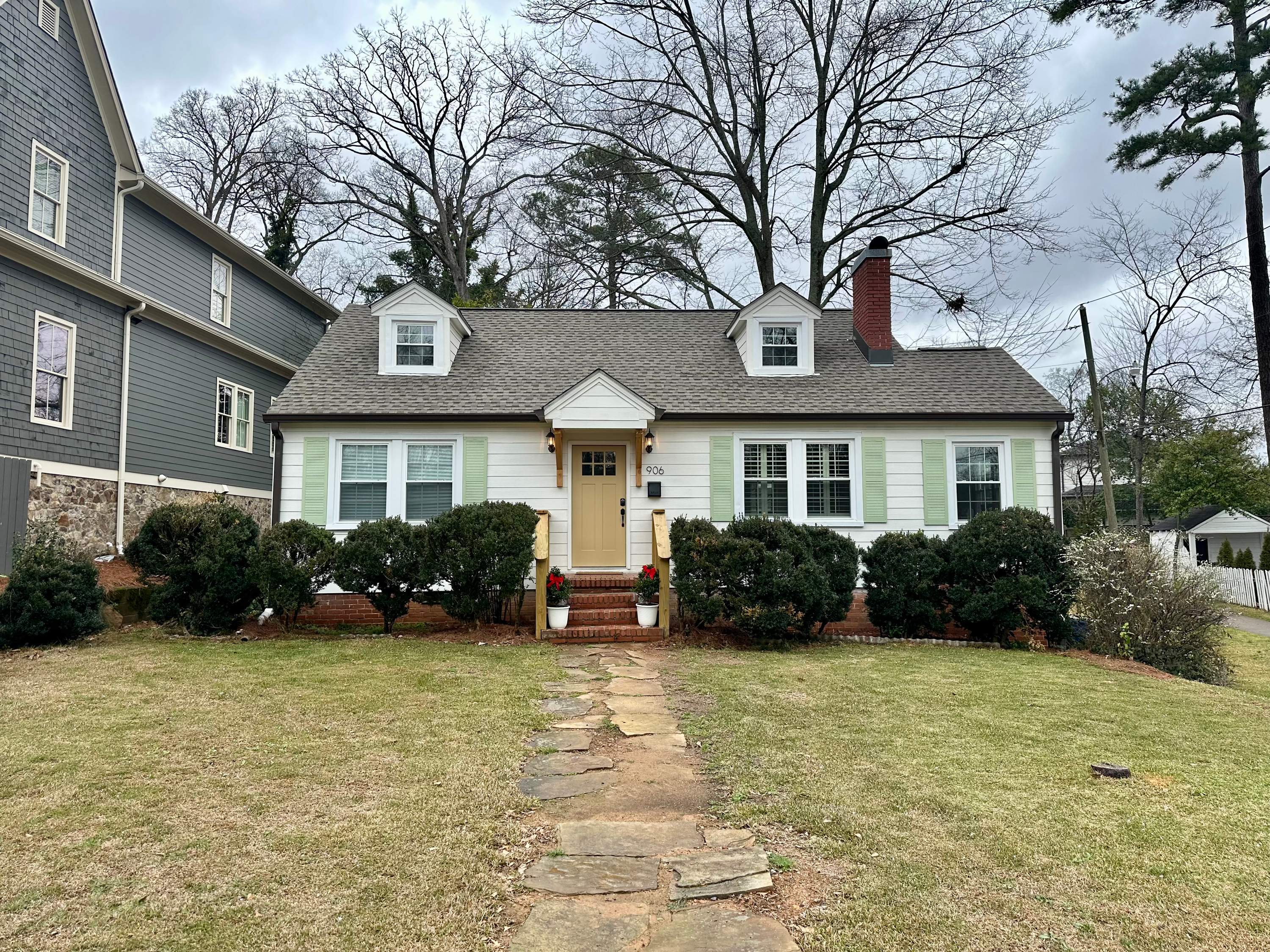
Located in the Edgewood neighborhood of Homewood, this cottage received a complete exterior transformation with new horizontal white siding replacing the previous yellow and weathered shake cladding. Brand new white double-hung windows with upper grilles replaced the older units to match the updated facade. The roof replacement utilized multi-toned gray architectural shingles, which are now paired with new dark brown gutters and downspouts. Around the back, a newly built custom deck features pressure-treated wood steps, secure handrails, and a built-in safety gate.
 17 photos
West Homewood Home Remodel
West Homewood
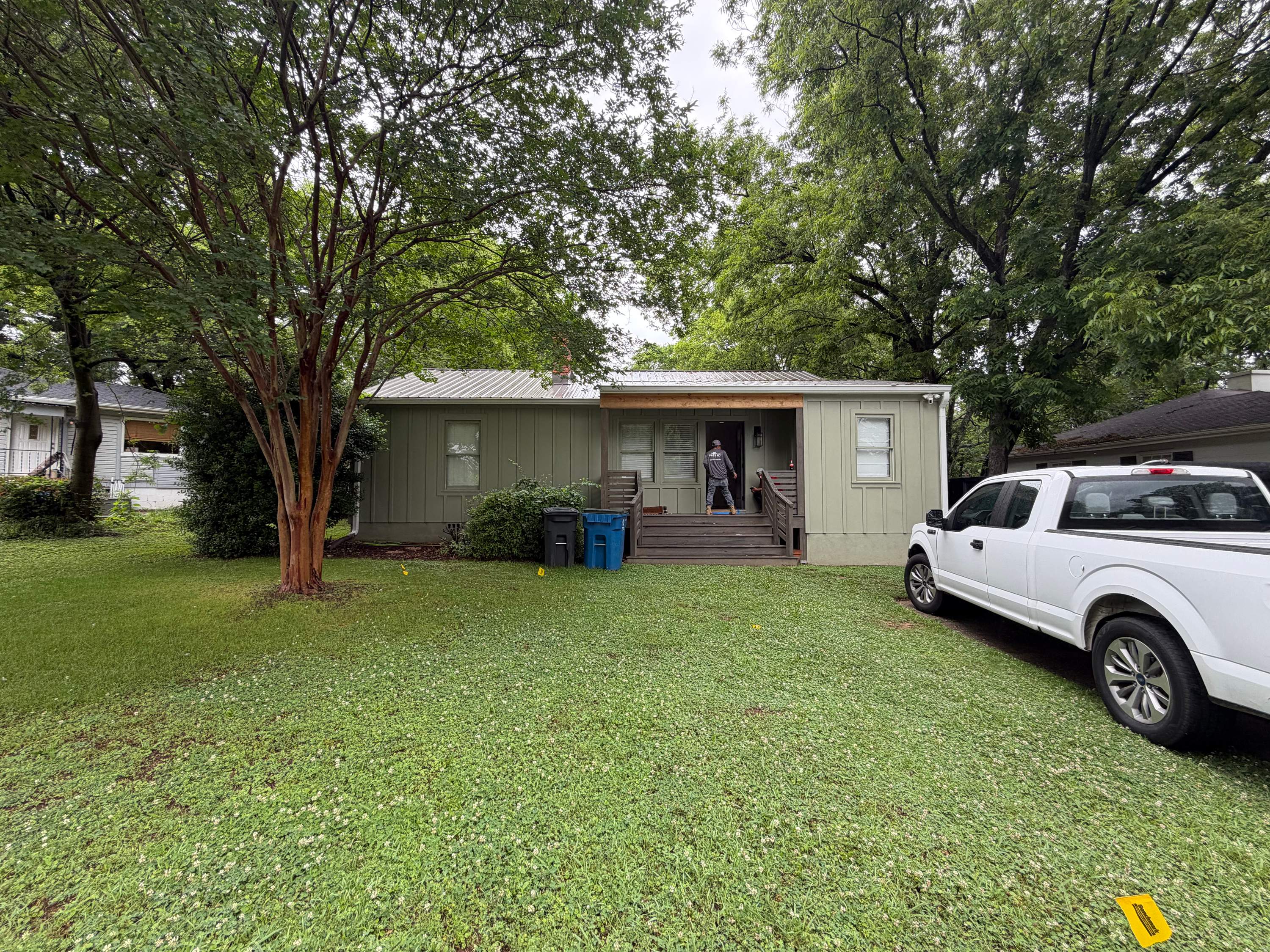
An exterior and interior structural renovation is currently underway on this cottage-style home in Homewood. The exterior is receiving a complete siding installation, transitioning from aging tan lap siding to a modern sage-green board and batten profile. On the roofline, corrugated metal roofing is paired with clean white gutter installation to improve drainage and weather protection. Interior spaces are currently opened to the studs, exposing diagonal subfloor planks and plumbing lines in preparation for modern upgrades and window replacement. Worn rear steps and landings are also slated for updates to establish secure, cohesive custom decks.
You Might Also Like
Why Pine Privacy Fences Rot So Fast in Homewood, AL