

Key Takeaways
- Blocked intake or exhaust vents trap extreme heat, baking asphalt shingles from underneath and significantly shortening their lifespan.
- Key warning signs of heat damage include premature shingle blistering, warped wood decking, and soaring home cooling costs.
- Regular preventative maintenance and professional inspections can identify airflow blockages before they require an early roof replacement.
Need Roof Maintenance in Birmingham?
If you're looking for help in Birmingham, visit our dedicated roof maintenance page for local service details, project examples, and the next steps for your home.
How Trapped Heat Destroys Birmingham Roof Systems
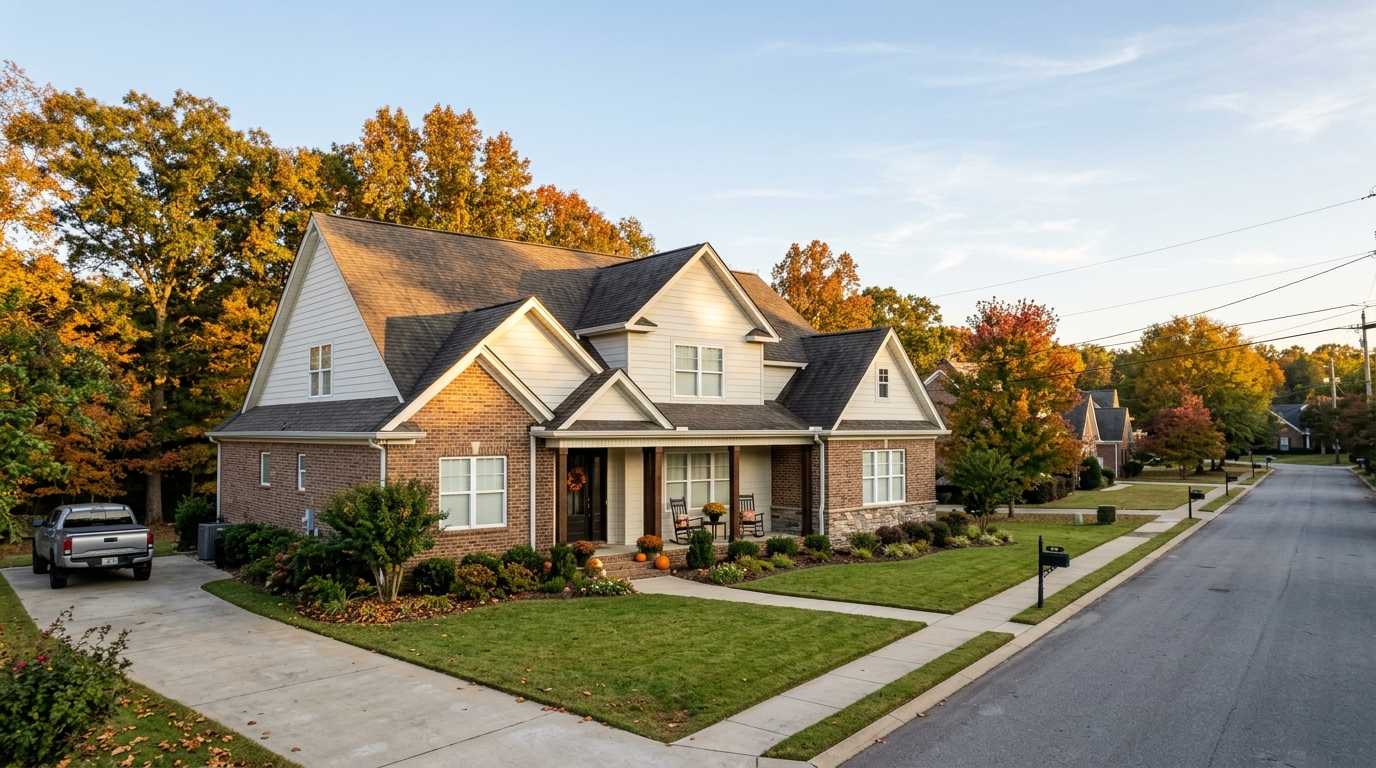
The call we get most often in late August is not about a sudden storm leak, but about a ten-year-old roof curling like potato chips. Homeowners usually assume they bought a defective batch of shingles. When we climb up to inspect, however, we find a different culprit entirely. The intake vents under the eaves are completely blocked by thick attic insulation, or the ridge vents are choked with pine needles and dust. Without proper airflow, the attic acts like a giant oven, trapping heat that rises past 150 degrees. This heat bakes the roof decking and cooks the shingles from underneath, destroying them long before their time. Understanding how bad attic ventilation affects your home is the first step to preventing a premature replacement.
Birmingham's high humidity levels compound this thermal damage. When humid air gets trapped alongside intense summer heat, it creates a destructive environment that rots wood decking and breaks down asphalt adhesives. Routine roof maintenance in Birmingham helps identify these ventilation blockages before they cause irreversible structural damage.
Properties in older, tree-dense areas like Forest Park and Highland Park frequently suffer from blocked vents. Falling leaves and organic debris build up in the valleys and gutters, eventually covering the lower intake vents. This lack of airflow forces your air conditioning system to run constantly, driving up energy costs while your roof literally cooks.
1. Premature Shingle Blistering and Granule Loss
Shingles that blister, curl, or shed their protective ceramic granules are the most common physical signs of severe attic heat damage. When temperatures in the attic climb too high, the volatile oils inside the asphalt shingles expand and bubble. These bubbles break through the surface, creating small blisters that pop and leave the underlying fiberglass matting completely exposed to the elements.
Once these blisters pop, the shingle loses its protective granule coating. These colored granules are designed to shield the asphalt from intense Southern UV rays. Without them, the bare asphalt dries out, cracks, and loses its water-resistant qualities, which often forces homeowners to schedule an early roof replacement in Birmingham.
When granules wash away, they often accumulate in your gutters, creating heavy clogs that restrict drainage. Look out for these specific warning signs on your roof surface:
- Curling or cupping along the edges of individual shingle tabs
- Bald spots on shingles where the protective granules have washed away
- Excessive granule accumulation clogging your gutters or drainage pathways
2. Warped Roof Decking and Sagging Ceilings
Warped, wavy rooflines and sagging interior drywall indicate that trapped attic heat and moisture have begun compromising your home's structural framing. Stagnant, humid air saturates the plywood or oriented strand board (OSB) decking sheets directly beneath your shingles. This moisture causes the wood panels to swell, buckle, and pull away from the underlying rafters.
As the wood decking warps, it pulls fasteners loose and breaks the critical wind bonds holding your shingles in place. This structural shifting makes your entire roof vulnerable to high winds during severe spring storms. From the street, this damage appears as an uneven, wavy pattern along your roof's ridgeline or flat slopes.
Expert Field Note from Justin Johnson: On mid-century homes across Birmingham, we regularly find that original soffit vents were painted shut during past exterior trim updates. This total lack of intake airflow causes the plywood decking to buckle from decades of trapped humidity, creating a distinct wavy pattern you can see from the driveway.
3. Skyrocketing Utility Bills and Heavy AC Strain
An air conditioning system that runs continuously without cooling your home is a major indicator of restricted attic airflow. A properly balanced ventilation system keeps attic temperatures within 10 to 15 degrees of the outdoor temperature. When hot air remains trapped in the attic space, it creates a massive heat reservoir that radiates directly down through your ceilings and into your living areas.
This continuous heat transfer forces your HVAC system to work overtime, leading to high utility bills and premature equipment failure. Homeowners often notice that upper levels remain uncomfortably warm even when the air conditioner runs constantly. Restoring proper airflow can noticeably lower your home's cooling costs while relieving pressure on your system.
These blockages often stem from common installation mistakes or natural debris buildup over time:
- Soffit vents covered by loose fiberglass or blown-in cellulose insulation
- Ridge vent baffles clogged with heavy pollen, dust, and insect nests
- Bathroom exhaust fans venting directly into the attic instead of outdoors
Evaluating Attic Ventilation Solutions and Costs
Balancing your attic ventilation requires matching the proper ratio of intake vents to exhaust vents based on your total attic floor space. Standard residential roofs typically utilize a combination of lower soffit vents for intake and upper ridge vents or attic fans for exhaust. Keeping these components clear is highly cost-effective compared to the expense of early shingle failure.
Regular maintenance checks can resolve most ventilation blockages before they cause permanent structural damage. A professional can clear intake pathways, check baffle clearance, and verify that exhaust vents are functioning as designed.
| Ventilation Service | Primary Benefit | Typical Cost Range |
|---|---|---|
| Roof Tune-Up & Resealing | Clears intake vents, secures loose shingles, and reseals penetrations | $150 – $300 |
| Annual Maintenance Plan | Year-round inspections and preventative debris clearing | $300 – $500 per year |
| Biannual Heavy-Cover Plan | Debris clearing and airflow checks for mature tree properties | $450 – $800 per year |
If you suspect your attic is overheating, scheduling a professional roof inspection is the most reliable way to assess your system. An inspector can calculate your roof's net free ventilating area and recommend targeted adjustments to protect your shingles.
Frequently Asked Questions
Does poor attic ventilation void my shingle warranty?
Yes, most major manufacturers like GAF require proper attic ventilation to honor their material warranties. If your shingles fail prematurely due to thermal damage from a poorly ventilated attic, the manufacturer can deny your claim, leaving you to cover the replacement cost.
Can I fix my attic ventilation by adding an attic fan?
Adding an attic fan will not solve the issue if your roof lacks adequate intake ventilation. Without open soffit vents to draw in fresh air, a powerful exhaust fan can actually pull conditioned air out of your living space through ceiling light fixtures and drywall seams.
How do I check if my soffit vents are blocked?
You can inspect your soffit vents from the ground to see if dirt, paint, or wasp nests cover the grates. From inside the attic during the day, you should see natural light shining through the eaves; a dark eave area usually means insulation has shifted and blocked the airflow channel.
What is the difference between active and passive ventilation?
Passive ventilation relies on natural convection, where warm air rises out of ridge vents and draws cool air in through soffit vents. Active ventilation uses motorized or solar-powered fans to physically force hot air out of the attic space, which can be useful for complex rooflines.
Maintaining Clear Airflow for Long-Term Roof Protection
Taking preventative steps to maintain your attic's airflow pathways is the most reliable way to protect your roofing investment. Regular maintenance keeps your shingles cool, preserves your wood decking, and ensures your home remains energy efficient. At Patriot Roofing & Builders, we evaluate the entire roofing system to ensure your intake and exhaust paths remain completely unobstructed.
Addressing minor ventilation blockages early prevents localized heat damage from spreading across your entire roof structure. If you notice curling shingles or a hot attic, a targeted roof repair in Birmingham can often resolve the issue before you need a full replacement.
Proper attic ventilation extends the lifespan of your roofing materials while reducing interior temperatures during the humid Birmingham summers. A professional assessment can determine if your current airflow system is sufficient for your home.
Ready to stop researching and get real answers?
If this article helped you spot a roofing, siding, or gutter issue, the next step is simple. Get honest guidance, a professional inspection, and a clear plan from the Patriot Roofing team.
Justin Johnson
Owner / Licensed Home Builder
Justin is the Co-Owner of Patriot Roofing & Builders and a Licensed Alabama Home Builder. With extensive experience in high-performance exterior systems and storm restoration, he brings a hands-on, technical perspective to every project across the Greater Birmingham area.
More About UsYou Might Also Like
Emergency Leak Mitigation in Vestavia Hills, AL
